Understanding Structural Steel Welding
What is Structural Steel Welding?
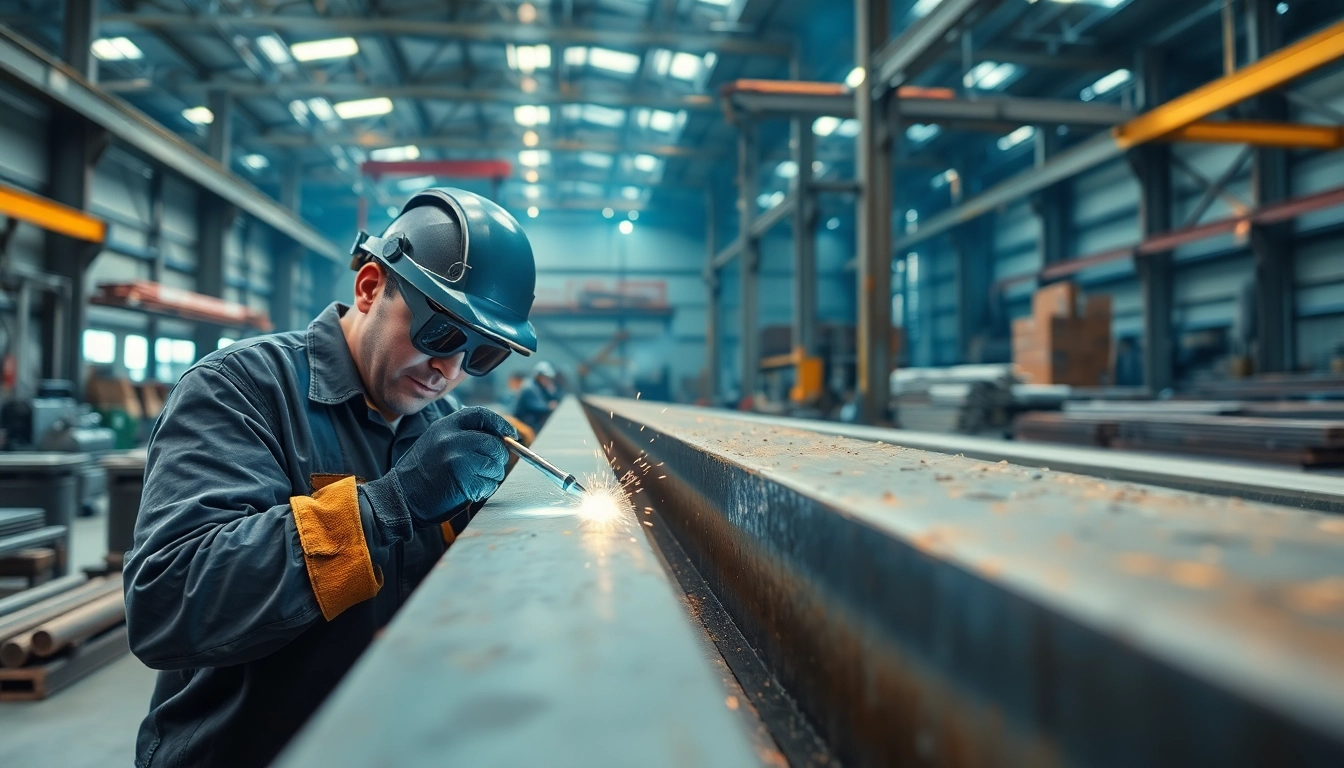
Structural steel welding is a critical process in the construction industry, involving the joining of metal pieces using various welding techniques to create robust structures. This method is essential for ensuring that frameworks, supports, beams, and components can withstand significant loads and stresses. At its core, the process entails fusing two or more pieces of steel together through heat and pressure, often enhanced with welding materials, to form a continuous joint that meets structural integrity standards.
Importance of Structural Steel Welding in Construction
The significance of structural steel welding in construction cannot be overstated. Its primary role is to provide structural integrity to buildings, bridges, and other constructions. When executed properly, structural steel welding ensures safety, durability, and longevity in constructions. Furthermore, it enables the creation of intricate designs that traditional construction methods may not allow.
Moreover, structural steel welding is essential for the speed of construction, often reducing project timelines while enhancing the overall quality of work. By utilizing this technique, engineers and designers can implement intricate architectural features and designs that require precise and dependable connections between steel elements.
Common Materials Used in Structural Steel Welding
The materials used in structural steel welding primarily include different grades of steel, each chosen based on the structural requirements and environmental conditions. Common materials include:
- Carbon Steel: This is the most common type of steel used in welding due to its strength and versatility. It's typically used for structural components like beams and columns.
- Alloy Steel: Alloy steels have added elements that enhance strength and corrosion resistance, making them suitable for demanding environments.
- Stainless Steel: Known for its corrosion resistance, stainless steel is used in environments that require enhanced durability and aesthetic appeal.
- Low Alloy Steel: This type contains small percentages of alloying elements to improve toughness and yield strength, ideal for structural applications.
Types of Structural Steel Welding Processes
MIG (Metal Inert Gas) Welding Overview
MIG welding, or Metal Inert Gas welding, is a widely used welding process in structural steel applications. It involves feeding a continuous solid wire electrode through a welding gun, which melts and joins steel pieces. This process is favored for its speed, versatility, and ease of use, making it suitable for both thick and thin materials.
MIG welding operates using an inert gas shield—such as argon or a mixture of argon and carbon dioxide—to protect the weld area from contamination. Its automation capability allows for higher production rates, making it ideal for large-scale construction projects.
TIG (Tungsten Inert Gas) Welding Insights
TIG welding, or Tungsten Inert Gas welding, is renowned for its precision and control, making it a go-to choice for welding thin materials. Unlike MIG welding, TIG employs a non-consumable tungsten electrode to produce the weld. This process allows for the addition of filler material if needed, providing flexibility in creating strong joints.
One of the key advantages of TIG welding is its ability to create high-quality welds with minimal spatter and cleanup. While it is slower than MIG welding, the precision it offers makes it indispensable for critical structural applications where aesthetics and strength are paramount.
Stick Welding Techniques and Applications
Stick welding, or Shielded Metal Arc Welding (SMAW), is one of the oldest and most versatile welding methods used in structural steel applications. It involves using a consumable electrode coated in flux, which generates a protective gas shield during the welding process. Stick welding is particularly effective in outdoor settings or windy conditions because it is less susceptible to contamination.
This method is often used for repair work, heavy construction, and applications where portability is crucial. While it may require more skill to master compared to MIG or TIG welding, its durability and effectiveness make it a popular choice in various industries.
Essential Equipment for Structural Steel Welding
Basic Tools and Gear for Welders
Welders need to be equipped with various tools and gear to effectively perform structural steel welding tasks. Essential items include:
- Welding Machine: Selected based on the welding process (MIG, TIG, or Stick).
- Electrodes: Required for stick welding, available in various types based on the application.
- Filler Materials: Used in MIG or TIG welding to help compensate for material thickness.
- Clamping Tools: Necessary for securing pieces during welding.
- Welding Hammer and Brush: Used for cleaning the weld area after completion.
Safety Equipment Required for Structural Steel Welding
Safety is paramount in structural steel welding due to the potential hazards associated with the process. Essential safety equipment includes:
- Welding Helmet: Protects the eyes and face from harmful UV radiation and spatter.
- Protective Clothing: Flame-resistant clothing, gloves, and boots reduce the risk of burns and injuries.
- Respirators: Necessary when working with materials that produce harmful fumes.
- Ear Protection: Essential when working in environments with high noise levels.
Advanced Machinery in Structural Steel Welding
As technology advances, the equipment used in structural steel welding has evolved to enhance efficiency and effectiveness. Advanced machinery may include:
- Automated Welding Systems: Designed for high-volume projects, these systems can significantly reduce labor costs and improve consistency.
- Robotic Welding Arms: These provide precision and repeatability, especially in repetitive tasks.
- Welding Positioners: Enable work on various positions and angles to facilitate easier welding access.
Challenges in Structural Steel Welding
Common Welding Defects and Their Solutions
Welding defects can compromise the structural integrity and safety of constructions. Common defects include:
- Porosity: Small gas pockets within the weld can weaken it. To mitigate this, maintaining a clean workpiece and proper shielding gas flow is essential.
- Cracking: Occurring due to rapid cooling or stress, this can be addressed through preheating materials and using suitable filler metals.
- Inconsistent Penetration: This can result from improper settings on welding machines. Ensuring the correct voltage and amperage is key to achieving adequate penetration.
Environmental Factors Affecting Welding Quality
Welding quality can significantly be affected by environmental factors such as:
- Temperature: Fluctuations in temperature can lead to thermal expansion, affecting the weld quality. Welders should be mindful of environmental temperatures and adapt their techniques accordingly.
- Humidity: High humidity can increase the risk of hydrogen-induced cracking. Proper storage of materials and use of drying procedures can minimize this risk.
- Wind: Wind can disrupt shielding gas coverage, particularly in MIG and TIG processes. Setting up windbreaks or conducting welding in sheltered areas can mitigate this challenge.
Cost Considerations in Structural Steel Welding
Cost is a crucial factor in any construction project, and structural steel welding is no exception. Key considerations include:
- Material Costs: The selection of steel types and grades impacts overall expenses. Understanding the cost differences between regular and specialty alloys is necessary for budgeting.
- Labor Expenses: Skilled labor can command higher wages, particularly in specialized welding techniques. Investing in training can improve productivity and reduce errors.
- Equipment Investment: The initial costs for welding machinery can be significant. Balancing upfront investment versus ongoing maintenance and operational costs is essential for long-term profitability.
Future Trends in Structural Steel Welding
Technological Innovations Shaping the Industry
The structural steel welding industry is continuously evolving, driven by technological advancements. Future innovations are likely to include:
- Augmented Reality (AR): AR can facilitate real-time training and troubleshooting for welders, enhancing skill development and reducing errors in the field.
- Machine Learning: Integrating machine learning algorithms can optimize weld settings, predicting defects before they occur and improving overall quality.
- Advanced Materials: Research into new steel alloys and composites for better strength-to-weight ratios and improved resistance to environmental factors will continue to shape manufacturing processes.
Sustainability Practices in Structural Steel Welding
As sustainability becomes increasingly vital in construction, the structural steel welding industry is adopting practices that minimize environmental impact. These include:
- Recycling Steel: Increased emphasis on sourcing recycled steel helps reduce the demand for virgin materials and decrease overall emissions.
- Energy Efficiency: Upgrading to energy-efficient machinery and processes lowers the carbon footprint associated with welding operations.
- Green Welding Materials: The use of lower-impact welding materials and methods can minimize harm to health and the environment, promoting safer workspaces.
Skills Development and Training for Future Welders
With the evolving landscape of structural steel welding, ongoing skills development is crucial. Future welders will benefit from:
- Hands-on Training: Effective training programs that combine theory with practical skills are vital for producing competent welders.
- Continuous Education: Workshops and courses on emerging technologies and welding techniques can help professionals stay updated and competitive.
- Mentorship Programs: Pairing experienced welders with trainees can enhance skills transfer and ensure best practices are upheld across the industry.