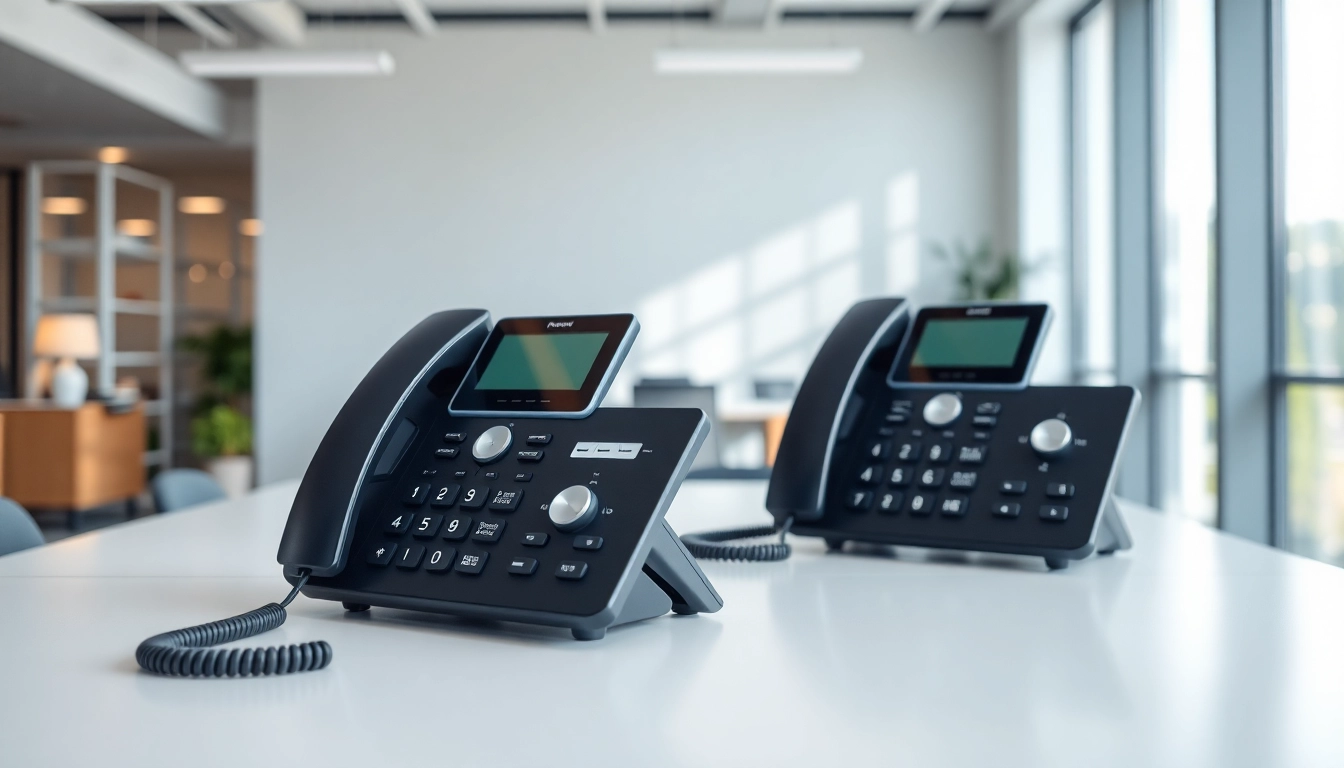
Understanding Office Phone Systems
What are Office Phone Systems?
Office phone systems are comprehensive communication solutions designed to facilitate voice and data exchanges in a business environment. They allow organizations to manage multiple phone lines and provide various functionalities such as call routing, voicemail, conferencing, and more. Modern systems utilize Voice over Internet Protocol (VoIP) technology, which enables voice communications and multimedia sessions over the Internet, enhancing flexibility and cost-effectiveness. These systems are essential for maintaining connectivity and productivity in today’s fast-paced business landscape. For businesses looking to delve deeper into various available options, exploring office phone systems can provide valuable insights into different solutions tailored to meet their needs.
Types of Office Phone Systems Available
There are several types of office phone systems available, each catering to different organizational needs:
- Traditional PBX Systems: Private Branch Exchange (PBX) systems manage internal calls and can connect to external phone lines. They are typically hardware-based and require significant setup and maintenance.
- VoIP Systems: These systems use internet connections to facilitate calls. They are more flexible, cost-efficient, and offer advanced features such as video conferencing and instant messaging.
- Hosted Phone Systems: This cloud-based solution eliminates the need for on-premises hardware. The service provider manages the system, scaling with the business’s changing needs.
- Hybrid Phone Systems: A combination of traditional and VoIP systems, hybrid setups allow businesses to maintain existing hardware while accessing VoIP functionalities.
Benefits of Modern Office Phone Systems
Modern office phone systems offer numerous advantages that contribute to enhanced business operations:
- Cost Efficiency: VoIP systems typically have lower long-distance call rates, reducing overall communication expenses.
- Scalability: Businesses can easily add or remove lines and features as needed, making it adaptable to growth.
- Advanced Features: Modern systems can integrate functionalities such as call analytics, automated attendants, and CRM integrations, boosting productivity and customer service.
- Mobility: VoIP and hosted systems facilitate remote communication, enabling employees to work from anywhere.
Choosing the Right Option for Your Business
Assessing Your Communication Needs
Understanding your specific communication needs is vital in selecting the right office phone system. Consider evaluating:
- Number of users: Assess how many users will need to access the system to determine the necessary features and capacity.
- Type of communication: Determine whether your focus is on voice, video, or messaging, which can influence the choice between VoIP and traditional systems.
- Location: Evaluate whether your operation is primarily on-premises or remote, which may steer you toward hosted systems.
Key Features to Look for in Office Phone Systems
When selecting an office phone system, consider these essential features:
- Call Management: Look for features such as call forwarding, call waiting, and automatic call distribution for efficient handling of communications.
- Voicemail and Messaging: Voicemail-to-email services, visual voicemail, and team messaging options can enhance productivity.
- Integration Capabilities: Ensure compatibility with existing tools and software, such as CRM applications, for a seamless workflow.
- Scalability and Flexibility: The ability to scale as your business grows is crucial, along with options for integrating new technologies in the future.
Budget Considerations for Office Phone Systems
Setting a budget for an office phone system requires careful consideration of initial costs, ongoing expenses, and potential savings. Assess the following:
- Upfront investment: Consider hardware costs for traditional systems versus subscription-based fees for hosted or VoIP solutions.
- Monthly fees: Calculate the ongoing costs associated with each service level, including any additional features that may incur extra charges.
- Long-term savings: Evaluate potential savings through reduced call costs, streamlined operations, and improved employee productivity.
Implementation and Setup
Preparing Your Office for New Phone Systems
Implementing a new phone system requires strategic planning to ensure a smooth transition. Start by assessing your current infrastructure, including:
- Internet bandwidth: VoIP systems require sufficient bandwidth to operate effectively without interruptions.
- Electrical requirements: Verify that your power setup can support additional hardware, if necessary.
- Physical space: Plan for where phones and associated equipment will be installed or mounted.
Steps for Installing Office Phone Systems
The installation of office phone systems can vary based on the chosen type. Here are general steps to follow:
- Plan the Configuration: Decide on the layout, including where phones will be placed and how users will interact with the system.
- Connect Necessary Hardware: For traditional systems, install the physical phones and connect them to the PBX. For VoIP, set up the network and ensure connectivity.
- Test Functionality: Before going live, test all features, such as calling, voicemail, and integrations, to ensure smooth operation.
Training Your Team on the New System
Team training is crucial for maximizing the benefits of your new office phone system. Key steps include:
- Organizing training sessions: Schedule comprehensive training for all employees, focusing on system features and functionalities.
- Providing resources: Develop user guides and FAQs to assist team members in navigating the system effectively.
- Encouraging feedback: Solicit input on user experiences and challenges to ensure ongoing improvement and understanding.
Maintenance and Upgrades
Regular Maintenance Tips for Office Phone Systems
To keep your office phone system operating smoothly, adhere to these maintenance tips:
- Regular software updates: Ensure that your phone systems receive the latest software updates to address security vulnerabilities and improve functionalities.
- Monitoring system performance: Regularly check call quality and system latency to identify potential issues early.
- Conducting user checks: Solicit feedback from staff on their experiences and observations for maintenance needs.
When to Upgrade Your Office Phone Systems
Recognizing when to upgrade your office phone system can save costs and enhance efficiency. Signs to look for include:
- Frequent breakdowns: If the system often fails or requires repairs, it may be time to consider an upgrade.
- Limited features: When new features become essential for your operations, it could indicate that your current system is outdated.
- Changes in workforce: If your team grows or shifts significantly, the existing system may no longer support your needs effectively.
Future Trends in Office Phone Systems
The landscape of office phone systems is ever-evolving, influenced by advancements in technology and changing workplace dynamics. Notable trends include:
- AI Integration: The use of artificial intelligence for call management, customer service automation, and analytics is on the rise, enhancing efficiency.
- Remote Accessibility: Systems will increasingly support remote work, with features designed for seamless mobile and home office integration.
- Cloud Solutions: The preference for cloud-based systems continues to grow, allowing for easier scalability and reduced upfront costs.
Frequently Asked Questions
What are the different types of office phones?
The main types of office phone systems are VoIP systems, traditional PBX systems, and hosted phone services. Each provides unique features tailored to various business needs.
What are office phone systems called?
Office phone systems are often referred to as Private Branch Exchange (PBX) systems, which manage both internal and external communications for a business.
How can I choose the right phone system for my business?
Assess your company's specific communication needs, number of users, and budget. Identify essential features and consider scalability for future growth.
What features should I look for in an office phone system?
Key features to consider include call management options, voicemail capabilities, integration with existing tools, and flexibility for future upgrades.
How often should office phone systems be upgraded?
Upgrade your office phone system when it becomes unreliable, lacks essential features, or no longer meets the demands of a growing workforce.