

Depression is a serious mental health condition that can significantly impact a person’s emotional, cognitive, and physical well-being. Recognizing Depression symptoms early is critical for timely intervention and effective treatment. Ignoring early signs can lead to prolonged suffering, deterioration of personal and professional life, and in severe cases, self-harm or suicidal thoughts. At Calm Minds Hub, we focus on providing evidence-based guidance that helps individuals identify warning signs of depression and take proactive steps toward emotional health, resilience, and recovery.
Understanding Depression and Its Early Indicators
Depression is more than occasional sadness or stress; it is a medical condition that affects mood, cognition, energy, behavior, and physical health. Early recognition of depression symptoms allows individuals to seek help, implement coping strategies, and prevent the condition from worsening.
Emotional Symptoms
Emotional changes are often the first noticeable signs of depression:
- Persistent sadness, emptiness, or tearfulness
- Irritability, frustration, or mood swings
- Loss of interest or pleasure in previously enjoyed activities
- Feelings of hopelessness, guilt, or worthlessness
Even subtle emotional changes, such as reduced enthusiasm or mild irritability, should not be ignored, as they may develop into more severe depressive episodes.
Cognitive Symptoms
Depression affects thinking patterns and decision-making processes:
- Difficulty concentrating or focusing
- Indecisiveness and slowed cognitive processing
- Persistent negative thoughts or rumination
- Memory lapses or inability to retain information
Early cognitive changes can interfere with work, school, and daily responsibilities, often preceding more visible emotional and behavioral symptoms.
Physical Symptoms
Physical manifestations of depression can appear before emotional symptoms become pronounced:
- Fatigue or persistent low energy
- Sleep disturbances, including insomnia or oversleeping
- Appetite changes resulting in weight gain or loss
- Aches, pains, or digestive issues without clear medical cause
Physical symptoms are sometimes misattributed to other medical conditions, delaying the identification of depression.
Behavioral Symptoms
Behavioral changes often accompany emotional and cognitive shifts:
- Withdrawal from social interactions or activities
- Neglect of personal hygiene and self-care
- Reduced productivity at work, school, or home
- Engagement in risky or impulsive behaviors
Recognizing these behavioral signs early helps prevent further deterioration and encourages timely intervention.
Early Warning Signs That Should Never Be Ignored
Early detection of depression symptoms can prevent prolonged suffering and improve treatment outcomes. Certain signs require special attention:
Persistent Low Mood
- Feeling sad, empty, or emotionally numb for most of the day
- Mood that lasts for weeks rather than days
- Emotional reactivity, including irritability or frustration over minor events
Loss of Interest and Motivation
- Reduced enjoyment of hobbies, social activities, or work
- Lack of motivation to complete routine tasks
- Withdrawal from friends, family, or professional commitments
Sleep Disturbances
- Difficulty falling asleep, staying asleep, or waking too early
- Oversleeping or non-restorative sleep
- Sleep problems that exacerbate fatigue, mood changes, or cognitive difficulties
Changes in Appetite and Weight
- Noticeable weight gain or loss without intentional effort
- Changes in appetite, cravings, or eating patterns
- Physical health consequences resulting from poor nutrition or irregular meals
Physical Fatigue and Low Energy
- Persistent tiredness despite adequate rest
- Slowed movements or mental processing
- Fatigue that interferes with work, school, or daily activities
Cognitive and Concentration Issues
- Difficulty making decisions or remembering details
- Slowed thinking or inability to focus
- Persistent negative thoughts or self-criticism
Thoughts of Self-Harm or Suicide
- Preoccupation with death or dying
- Expressions of hopelessness or inability to cope
- Any signs of self-harm or suicidal ideation require immediate professional attention
Ignoring these early warning signs can lead to worsening depression, decreased quality of life, and increased risk of self-harm.
Factors That Contribute to Depression
Understanding the causes of depression helps in early recognition and prevention of severe episodes.
Biological Factors
- Family history or genetic predisposition
- Hormonal imbalances or chronic illnesses
- Neurochemical changes in neurotransmitters affecting mood and motivation
Psychological Factors
- Negative thought patterns or low self-esteem
- History of trauma, abuse, or neglect
- Difficulty coping with stress or emotional challenges
Environmental Factors
- Chronic stress at work, home, or in personal relationships
- Social isolation or lack of supportive networks
- Significant life changes, including bereavement, divorce, or relocation
Recognizing these risk factors in combination with early depression symptoms can guide proactive interventions.
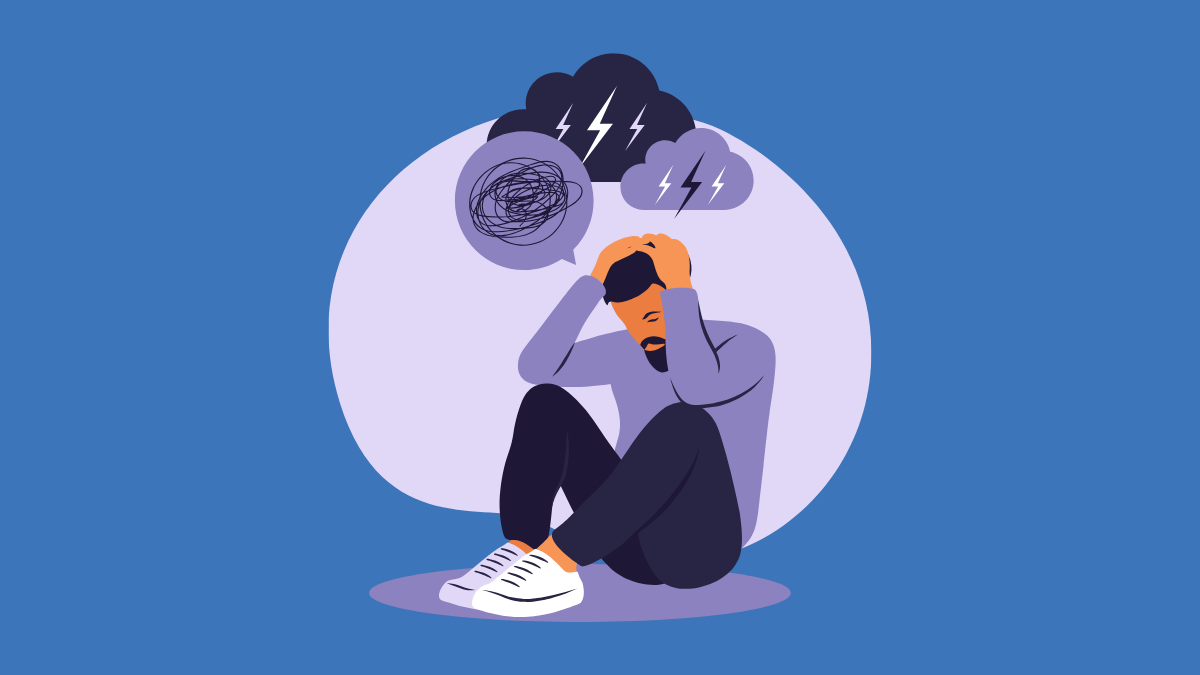
The Impact of Ignoring Depression
Failing to address early symptoms of depression can have wide-ranging consequences.
Personal Life Impact
- Reduced engagement in hobbies and personal growth
- Impaired self-care and increased physical health problems
- Emotional instability affecting daily routines
Social Life Impact
- Withdrawal from family, friends, and social activities
- Strained relationships due to irritability or detachment
- Increased feelings of loneliness and isolation
Professional Life Impact
- Decline in productivity and performance at work or school
- Difficulty meeting deadlines or responsibilities
- Potential for burnout or job loss due to unmanaged symptoms
Long-Term Health Impact
- Chronic stress and depression can contribute to cardiovascular, metabolic, or immune system problems
- Increased risk of substance abuse or unhealthy coping mechanisms
- Greater likelihood of severe depressive episodes if early intervention is not implemented
Steps to Take When You Recognize Early Depression Symptoms
Early recognition should be followed by proactive steps to prevent progression and support recovery.
Seek Professional Help
- Consult a mental health professional for evaluation and guidance
- Explore therapy options such as cognitive-behavioral therapy (CBT) or interpersonal therapy (IPT)
- Discuss medication options if recommended by a qualified professional
Build a Support System
- Reach out to friends, family, or peers for emotional support
- Consider joining support groups or community programs
- Maintain open communication about feelings and challenges
Lifestyle and Self-Care Strategies
- Establish a structured daily routine to enhance stability and motivation
- Prioritize sleep hygiene and consistent sleep schedules
- Engage in regular physical activity to boost mood and energy
- Practice mindfulness, meditation, or relaxation techniques
- Maintain balanced nutrition and hydration to support physical and mental health
Monitor Symptoms and Progress
- Keep a journal to track mood, energy, and behaviors
- Note triggers or patterns that exacerbate depressive symptoms
- Adjust coping strategies based on self-reflection and professional guidance
Adopt Healthy Coping Mechanisms
- Replace avoidance or substance use with constructive activities
- Use problem-solving skills to address stressors effectively
- Celebrate small achievements and focus on gradual progress
Preventing Severe Depression
Early intervention and preventive measures significantly reduce the risk of chronic or severe depression.
Recognize Patterns
- Identify recurring emotional, behavioral, or physical changes
- Pay attention to prolonged low mood, fatigue, or cognitive difficulties
- Seek help when patterns persist or interfere with daily life
Manage Stress Effectively
- Use mindfulness, deep breathing, or relaxation techniques
- Allocate time for hobbies, exercise, and social interactions
- Break tasks into manageable steps to reduce overwhelm
Cultivate Emotional Resilience
- Foster supportive relationships and communicate openly
- Practice self-compassion and acceptance
- Focus on problem-solving rather than avoidance
By recognizing early depression symptoms and implementing these strategies, individuals can prevent worsening of the condition and maintain better mental health.
Conclusion
Depression symptoms should never be ignored, particularly in the early stages. Persistent sadness, loss of interest, fatigue, sleep disturbances, cognitive difficulties, and thoughts of self-harm are critical indicators requiring attention. Early recognition, professional support, lifestyle adjustments, and emotional resilience are key to preventing chronic depression and improving quality of life. At Calm Minds Hub, our mission is to provide evidence-based guidance that empowers individuals to recognize warning signs, seek timely help, and implement practical strategies for emotional well-being. By addressing depression early, individuals can restore balance, regain control, and promote long-term mental health. All categories and top stories are featured right on the homepage.
FAQs
What early depression symptoms should I never ignore?
Early symptoms include persistent sadness, loss of interest in activities, fatigue, sleep or appetite changes, difficulty concentrating, social withdrawal, and thoughts of self-harm. Recognizing these signs promptly is crucial for timely intervention.
How can seeking help early prevent severe depression?
Early professional support, therapy, lifestyle adjustments, and social support can reduce symptom severity, prevent prolonged episodes, and enhance emotional resilience, leading to better long-term outcomes.
What lifestyle strategies support early depression management?
Maintaining a structured routine, prioritizing sleep, engaging in regular physical activity, practicing mindfulness, fostering supportive relationships, and balanced nutrition help manage symptoms and complement professional treatment.