
Natural dyeing is a rewarding craft that blends creativity with botanical tradition. For beginners seeking a plant-based dye that produces soft purples, smoky violets, and earthy wine tones, Alkanet root powder is an excellent starting point. This beginner-friendly guide explains how to prepare, use, and experiment with Alkanet root powder, giving you the confidence to create beautifully dyed textiles while embracing eco-friendly practices.
What Is Alkanet Root Powder?
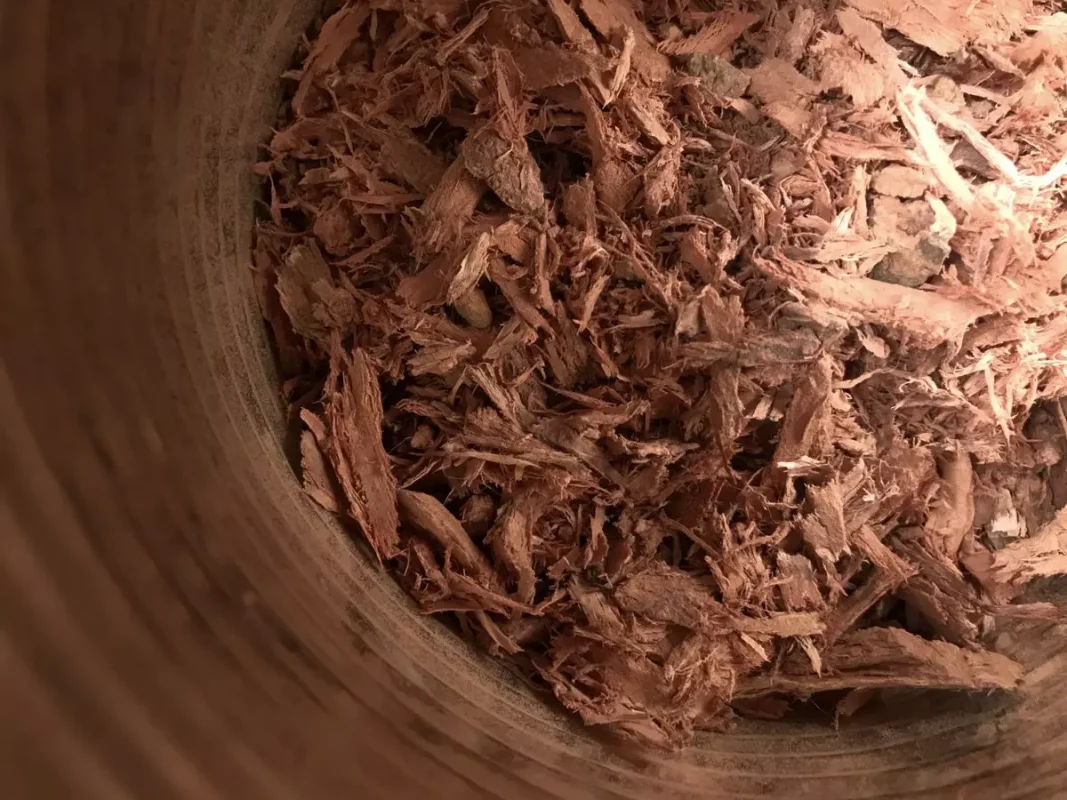
Alkanet root powder comes from the roots of the Alkanna tinctoria plant. When ground into a fine texture, it becomes a versatile natural pigment used in textile dyeing, soap making, and herbal crafts. Beginners appreciate Alkanet root powder because it offers a wide range of hues depending on water pH, mordants, and fiber type.
Why Begin with Alkanet Root Powder?
A Gentle Introduction to Natural Dyeing
Many plant dyes require complex preparation, but Alkanet root powder is easy to extract and forgiving for first-time dyers. It produces beautiful tones without complicated steps.
Eco-Friendly and Non-Toxic
Beginners who want to avoid synthetic dyes appreciate that Alkanet root powder is plant-based, biodegradable, and safe to use with simple protective equipment.
Unique Shade Variations
One of the most exciting features of Alkanet root powder is its sensitivity to pH. With small adjustments, you can achieve purples, violets, and muted reds, giving beginners endless room to explore.
Preparing Fabric for Dyeing
Scour the Fabric
Clean fibers absorb dye more effectively. Before using Alkanet root powder, wash and scour your fabric to remove oils and factory residues.
Mordanting for Better Absorption
Using a mordant helps bind pigment to the fibers. Alum is beginner-friendly and works well with Alkanet root powder. Mordanting can increase colorfastness and produce clearer tones.
Making an Alkanet Dye Bath
Step 1: Extract the Color
Simmer Alkanet root powder gently in water for about an hour. Avoid boiling hard; gentle heat is enough to release the pigment.
Step 2: Strain the Mixture
After simmering, strain out the plant material. This ensures Alkanet root powder doesn’t leave speckles on your fabric.
Step 3: Adjust the pH
Beginners can easily experiment with color shifts:
- Acidic adjustments push Alkanet root powder toward reddish tones.
- Alkaline adjustments deepen purples and blue-violet hues.
This simple pH experiment is often the most exciting part for new dyers.
Dyeing Fabric with Alkanet Root Powder
Submerging the Fabric
Place the prepared fabric into the warm dye bath. Stir occasionally to ensure even coverage. The pigment from Alkanet root powder will gradually bond with the fibers.
Letting the Color Develop
The longer the fabric sits, the deeper the shades become. Beginners often enjoy observing how Alkanet root powder slowly transforms the material.
Rinsing and Drying
Rinse the dyed fabric until the water runs clear. Dry it in the shade to preserve the natural tones produced by Alkanet root powder.
Tips for Beginners
- Test small samples before dyeing large pieces.
- Keep notes on water temperature, mordants, and pH changes—Alkanet root powder responds noticeably to these factors.
- Use non-reactive tools to avoid altering the dye’s chemistry.
- Store Alkanet root powder away from light and moisture to maintain pigment quality.
Common Beginner Questions
“Why is my color lighter than expected?”
Natural dyes like Alkanet root powder often appear lighter once dry. Re-dyeing or adjusting pH can deepen the final shade.
“Can I mix this with other dyes?”
Yes. Combining Alkanet root powder with natural dyes such as madder or logwood creates complex, earthy palettes that beginners love experimenting with.
“Is it safe for all fabrics?”
Natural fibers such as cotton, wool, linen, and silk work best. Synthetic fibers rarely bind well with Alkanet root powder.
Exploring Creative Techniques
Layered Dyeing
Applying multiple dye baths builds depth and produces stunning gradients. Beginners often enjoy seeing how Alkanet root powder shifts with each layer.
Pattern Dyeing
Tie-dye, dip-dye, and resist techniques pair beautifully with the subtle variations of Alkanet root powder, making it ideal for creative exploration.
Conclusion
Dyeing with Alkanet root powder is a fulfilling way to begin your journey into natural textile coloring. Its gentle learning curve, eco-friendly nature, and wide range of earthy tones make it one of the best botanical dyes for beginners. With just a few basic steps and plenty of room for experimentation, Alkanet root powder empowers you to create beautiful, nature-inspired fabrics. Start exploring its rich hues today and enjoy the creativity that comes with natural dyeing.