Introduction to Sliding Door Shower Screen
When redesigning a bathroom, one of the significant choices homeowners face is selecting the right type of shower enclosure. Among the various options, the sliding door shower screen has gained immense popularity for its elegant design and practical advantages. This article will explore everything you need to know about sliding door shower screens, covering their benefits, installation processes, maintenance, and more.
What is a Sliding Door Shower Screen?
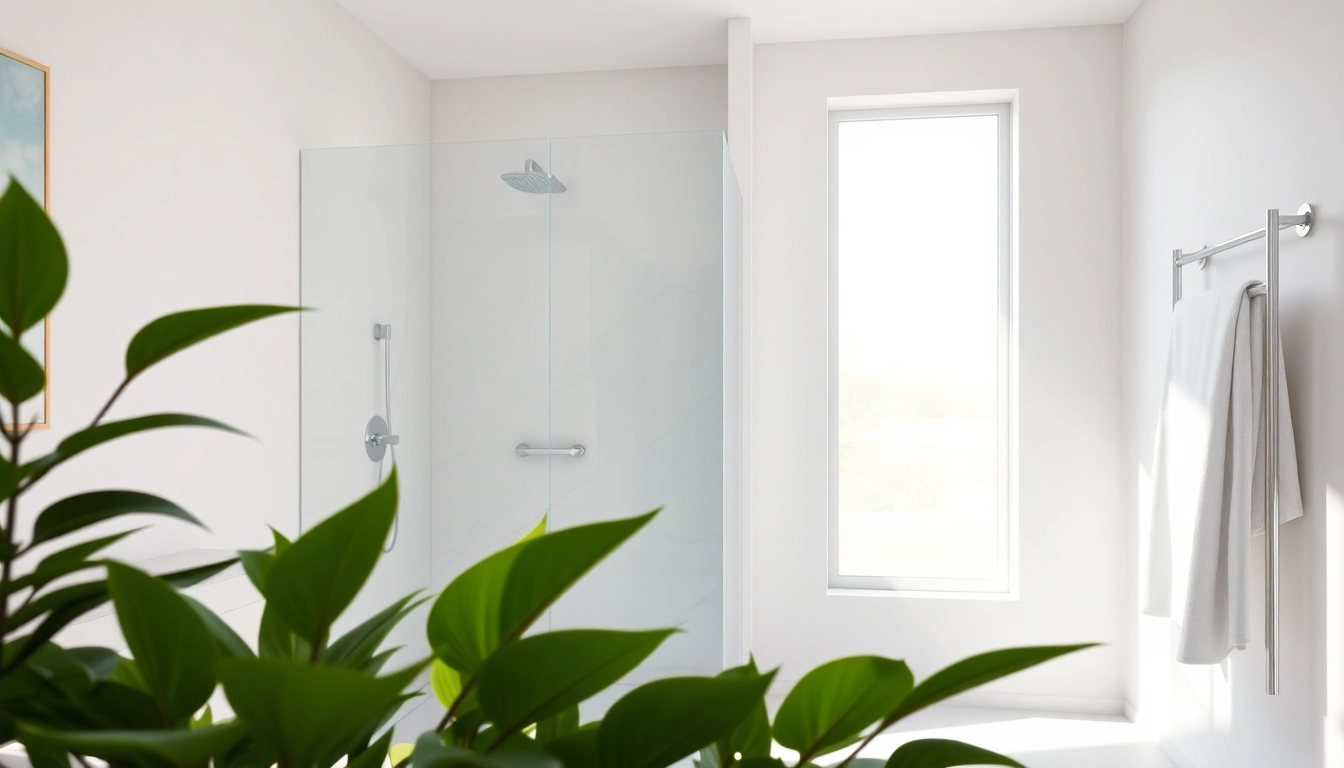
A sliding door shower screen is a type of enclosure that features one or more glass panels that slide horizontally on tracks. This design allows for easy access while ensuring that water remains contained within the shower area. Sliding doors are particularly beneficial in smaller bathrooms where swing doors cannot be accommodated due to space constraints.
Benefits of Choosing Sliding Door Shower Screen
Sliding door shower screens offer several advantages that make them an appealing choice for many homeowners:
- Space Efficiency: Sliding doors require no extra clearance to open, making them ideal for compact spaces.
- Modern Aesthetic: Their sleek lines and glass panels create an illusion of more space and lend a contemporary style to bathrooms.
- Easy Access: They provide smooth operation, making it simple to enter and exit the shower.
- Minimal Water Leakage: When installed correctly, they effectively keep water inside the shower area.
- Customizable Designs: Available in various styles, colors, and finishes to match any décor.
Key Features to Look For
When selecting a sliding door shower screen, consider the following features to ensure it meets your needs:
- Glass Thickness: Thicker glass panels provide better durability and resistance to impacts.
- Frame Style: Choose between framed, semi-frameless, and frameless designs based on your aesthetic preference.
- Track Mechanism: High-quality rollers allow for smoother operation and less wear over time.
- Water Seals: Properly designed seals minimize leaks and water buildup.
- Handles and Accessories: Consider ergonomic handles for ease of use and accessories for added functionality.
Types of Sliding Door Shower Screen
Framed vs. Frameless Designs
Sliding door shower screens are available in framed and frameless designs:
- Framed Sliding Doors: Typically feature a metal frame around the glass, providing structural support and durability. They are often more economical but can appear bulkier.
- Frameless Sliding Doors: Comprise thick tempered glass panels with minimal framing, offering a sleek and modern look. They can be more expensive but are often preferred for luxury bathrooms.
Materials Used in Sliding Door Shower Screen
The primary material used in sliding door shower screens is tempered glass, known for its strength and safety. Here are some common materials found in their construction:
- Tempered Glass: Designed to shatter into small, blunt pieces, minimizing injury risk.
- Aluminum Frames: Lightweight yet sturdy; aluminum is rust-resistant, ideal for humid environments.
- Plastic Components: Often used in tracks and rollers, requiring less maintenance but may not be as durable.
Custom vs. Standard Sizes
Sliding door shower screens come in standard sizes, but many manufacturers offer custom options to fit unique spaces. Standard sizes are convenient and cost-effective. However, custom installations can maximize space and enhance bathroom design when standard sizes do not fit adequately.
Installation Process for Sliding Door Shower Screen
Preparing Your Bathroom Space
Before installation, it's essential to prepare your bathroom space adequately. Here are some preparation steps:
- Measure the Space: Accurately measure the width and height of the space where the shower screen will be installed.
- Check Wall Alignment: Ensure that walls are straight, as misalignment can lead to installation issues.
- Gather Necessary Tools: Prepare tools such as a level, measuring tape, drill, and appropriate mounting hardware.
Step-by-Step Installation Guide
Follow this step-by-step guide to install your sliding door shower screen:
- Lay Out the Components: Unpack the shower screen components and lay them out for easy access.
- Install the Track: Position the top track on the wall and mark the drill holes. Use a level to ensure it is straight. Secure the track in place using screws.
- Attach the Bottom Track: Install the bottom track according to the manufacturer’s instructions, ensuring it is also level.
- Hang the Glass Panels: Installing the top rollers first, hang the glass panels into the track and secure them according to the instructions.
- Add Water Seals: Attach any water seals along the edges of the door to prevent leakage.
- Test the Operation: Open and close the doors several times to ensure smooth movement and adjust if necessary.
Common Mistakes to Avoid
To ensure a successful installation, avoid these common pitfalls:
- Skipping Measurements: Always double-check measurements before cutting or drilling.
- Poor Wall Preparation: Ensure walls are clean and dry to facilitate proper adhesion and secure installation.
- Neglecting Seals: Failing to apply waterproof seals can lead to leaks and water damage.
- Ignoring Manufacturer Instructions: Always follow the specific installation guidelines provided by the manufacturer.
Maintenance Tips for Your Sliding Door Shower Screen
Cleaning and Care Instructions
Regular maintenance helps to extend the life of your sliding door shower screen and keep it looking new:
- Regular Cleaning: Use a mild cleaner and a soft cloth to wipe down the glass regularly. Avoid abrasive materials that can scratch the glass.
- Remove Hard Water Stains: Use vinegar or a specialized hard water stain remover to maintain the clarity of the glass.
- Inspect Tracks: Regularly check the tracks for dirt and debris; a clean track ensures smooth operation.
Preventing Common Issues
Prevent issues with your sliding door shower screen by following these tips:
- Lubricate Tracks: Periodically apply a silicone-based lubricant to the tracks for smooth movement.
- Adjust Rollers: If movement becomes stiff, check and adjust the rollers according to the manufacturer's instructions.
- Prompt Repairs: Address any issues like chips or cracks in the glass immediately to avoid further damage.
Signs It’s Time to Replace Your Shower Screen
Recognizing when to replace your sliding door shower screen can save you from potential pitfalls:
- Visible Damage: Cracks, chips, or significant scratches on the glass can compromise safety.
- Poor Functionality: If the doors stick or slide unevenly despite maintenance, it may be time for a new screen.
- Leaks: Persistent leaks that cannot be fixed through maintenance indicate a need for replacement.
FAQs about Sliding Door Shower Screen
What is the average cost of a sliding door shower screen?
The cost varies based on size, material, and design but generally ranges from $700 to $2,000 for standard options.
Are sliding door shower screens space-efficient?
Yes, they are ideal for smaller bathrooms, as they do not require extra space to swing open compared to hinged doors.
Can I install a sliding shower screen myself?
Yes, with proper instructions and tools, many homeowners can successfully install a sliding shower screen themselves.
How do I choose the right size for my shower?
Measure the height and width of your shower area carefully and consider standard sizes or custom options to fit the space.
Are there any special cleaning products recommended?
Use mild cleaners for regular maintenance, and consider specialized products for hard water stains to maintain clarity.