Understanding the Role of a Videographer
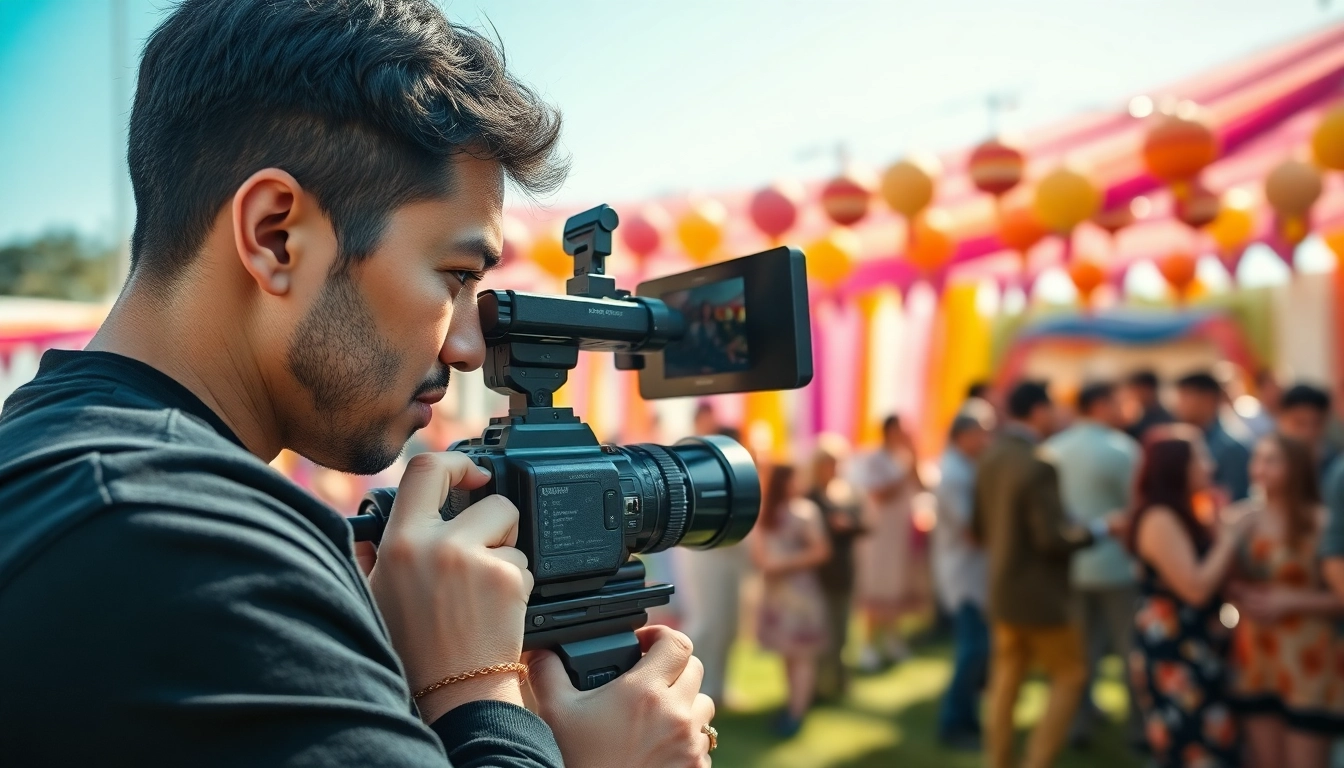
The world of video is captivating and multifaceted, where the role of a Videographer stands as a cornerstone. Videographers are the artists working behind the lens, capturing moments that tell stories, evoke emotions, and convey messages. Whether it's at a wedding, a corporate event, or a documentary film, their work is crucial in ensuring that every significant moment is preserved in high-quality video form.
What a Videographer Does
A videographer specializes in the art of video creation and production. Their responsibilities include planning, shooting, and managing video footage from conception to final production. Typical tasks may involve:
- Pre-production planning: Collaborating with clients to understand their vision, goals, and specific requirements for the video.
- Shooting footage: Utilizing various camera techniques and equipment to capture high-quality video, ensuring proper lighting, sound, and composition.
- Post-production editing: Editing the footage to create a cohesive final product, incorporating graphics, sound design, and color correction to enhance quality.
- Collaboration: Working with different stakeholders, including producers, directors, and clients, to ensure that the final product meets their expectations.
Key Skills of a Videographer
To excel as a videographer, several key skills are essential:
- Cinematography: Mastery of camera techniques, composition, and staging to create visually striking shots.
- Editing: Proficiency in editing software, allowing for the crafting of engaging narratives through the assembly of captured footage.
- Technical knowledge: Understanding the workings of different video equipment, including cameras, microphones, and lighting setups.
- Communication: Effectively conveying ideas and visions, as well as working collaboratively with clients and other team members.
- Creativity: The ability to think outside the box, coming up with unique concepts and solutions that enhance the storytelling process.
Different Types of Videographers
Videographers vary significantly depending on the niche they work in. Some common categories include:
- Wedding Videographers: Specializing in capturing the unique moments of a couple’s big day, producing edited highlights that reflect the emotional tone of the event.
- Corporate Videographers: Focusing on business-related video content, including promotional videos, training materials, and event recaps, often with a specific branding angle.
- Documentary Videographers: Engaging in storytelling through a factual lens, often requiring extensive research and narrative development.
- Event Videographers: Providing coverage for various events, ranging from concerts to conferences, capturing key moments for promotional purposes.
Choosing the Right Videographer for Your Project
Selecting the perfect Videographer for your project can significantly influence the final outcome of your video. Here are essential factors to consider:
Factors to Consider When Hiring a Videographer
When searching for a videographer, keep the following factors in mind:
- Experience: Look for a videographer with a proven track record in the specific type of video you need.
- Portfolio: Reviewing previous work can provide insight into their style, creativity, and technical abilities.
- Testimonials: Client reviews and testimonials can shed light on their professionalism and reliability.
- Equipment: A professional videographer should have high-quality equipment suited to your project needs.
- Budget: Understand their pricing structure to ensure it fits within your budget while not compromising quality.
Looking for Experience Versus Creativity
A balance between experience and creativity is crucial when evaluating potential videographers. While experience brings reliability and expertise, creativity is vital for producing visually stunning and engaging content. Consider asking candidates about their creative approach to capturing stories and how they adapt to different situations.
How to Assess a Videographer’s Portfolio
To effectively assess a videographer's portfolio, consider the following strategies:
- Diversity of Work: Look for a range of styles and formats that demonstrate the videographer's versatility.
- Quality: Consider the overall quality of the editing, sound, and cinematography in their showcased work.
- Storytelling: Evaluate their ability to convey a narrative through visuals and sound.
- Relevance: Ensure their previous work aligns with your project’s style and goals.
Working Collaboratively with Your Videographer
Collaboration is essential for achieving the desired outcome in any video project. Here are some tips to enhance teamwork with your selected videographer:
Communicating Your Vision and Expectations
Effective communication is crucial in ensuring that your videographer understands your vision. This involves:
- Providing a clear project brief outlining your goals and target audience.
- Offering examples of videos you admire and explaining what you like about them.
- Encouraging questions and discussions to clarify any uncertainties.
Creating a Shot List Together
Collaborating on a shot list can streamline the filming process. Here’s how:
- Identify key moments, locations, and elements you want captured in the footage.
- Discuss the visual style and specific shots that align with your narrative, ensuring both parties understand the objective.
- Maintain flexibility for spontaneous shots and creativity during the filming process.
Providing Feedback During the Process
Giving constructive feedback throughout the process helps refine the final output. Ensure feedback is:
- Specific: Focus on particular aspects you want to be improved.
- Timely: Provide feedback while the project is still active to avoid miscommunications later on.
- Respectful: Recognize the videographer's creative input and expertise while providing your perspective.
Understanding Videography Equipment and Techniques
Having a solid understanding of videography equipment and techniques enables better collaboration with your videographer. Here's a breakdown of what you need to know:
Essential Equipment for Video Production
Professional videographers typically utilize a variety of equipment, including:
- Cameras: High-definition cameras are crucial for capturing clear, vibrant footage.
- Tripods and Gimbals: These tools stabilize the camera for smooth shots, essential in creating professional-grade content.
- Microphones: Quality audio is just as important as video; using external microphones can significantly enhance sound quality.
- Lighting Equipment: Proper lighting setups are necessary to illuminate subjects and eliminate harsh shadows.
Techniques for Capturing High-Quality Footage
Understanding basic techniques can help ensure that the videographer’s work aligns with your expectations:
- Framing: Proper framing adheres to compositional rules like the Rule of Thirds, helping to create visually appealing shots.
- Movement: Learning techniques for camera movement can add dynamism to the footage, engaging viewers.
- Lighting: Utilizing natural light effectively or setting up artificial lights can drastically improve the quality of shots.
Post-Production: Editing and Finalizing Content
Post-production is where the magic happens, transforming raw footage into a polished video. Important aspects include:
- Editing Software: Familiarity with common editing software allows videographers to create engaging sequences.
- Sound Design: Incorporating sound effects, music, and voiceovers enhances the emotional impact of the video.
- Color Grading: Color correction ensures visual consistency and helps convey the desired tone of the video.
Measuring the Impact of Your Videographer's Work
Evaluating the results of your video project can provide insights for future endeavors. Here are key metrics to consider:
Defining Success Metrics for Video Projects
Successful video outcomes can be measured using various metrics, including:
- View Count: Tracking how many times your video has been viewed offers a gauge of its reach.
- Engagement: Metrics such as likes, shares, and comments can reflect how well the video resonates with audiences.
- Conversion Rates: If the video aims to drive action, measuring the conversion rates post-release provides insight into efficacy.
Gathering Audience Feedback
Understanding viewer perceptions can guide future video projects and improve overall quality:
- Surveys: Conduct surveys or polls after video releases to solicit audience feedback directly.
- Analytics Tools: Utilize tools to track viewer interactions, pinpointing strengths and weaknesses in your videos.
- Reviews: Encouraging open discussions about the video may reveal valuable insights into its impact.
Implementing Lessons Learned for Future Videography
Every video project is an opportunity for growth. Utilize insights gained from each video to refine future projects:
- Evaluate Performance: After each project, review established success metrics and feedback to assess performance.
- Adjust Strategies: Identify what techniques worked and which didn’t; be willing to adapt your approach accordingly.
- Continuous Learning: Stay updated with emerging trends in videography to enhance future production quality.