Understanding Zinc Nickel Plating
Zinc nickel plating is an advanced electroplating technique that combines the properties of both zinc and nickel to provide excellent corrosion resistance and durability. This process is particularly significant in industries that require high-performance coatings for metal components, especially in challenging environments. With the growing demand for robust protective finishes, particularly in Malaysia, understanding the intricacies of zinc nickel plating is essential for businesses looking to enhance their product longevity and quality.
What is Zinc Nickel Plating?
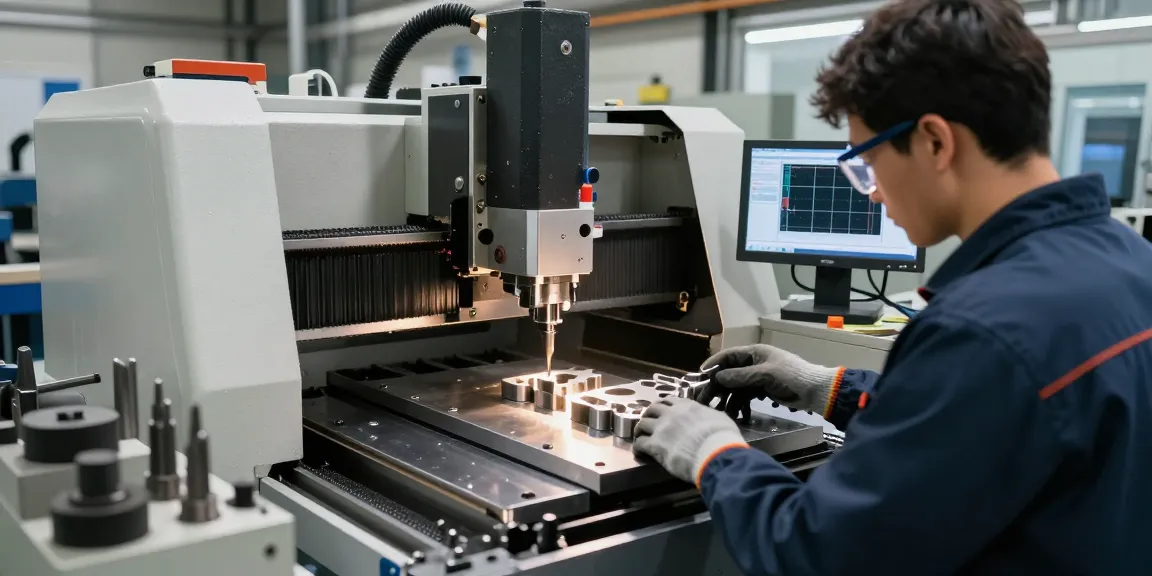
Zinc nickel plating involves the electrochemical deposition of a zinc-nickel alloy onto metal substrates. The typical composition of this alloy is about 10-15% nickel combined with a major portion of zinc. The resulting coating is known for its superior hardness, wear resistance, and resistance to corrosion in various environments. This makes zinc nickel plating particularly beneficial for automotive and aerospace applications, where parts are exposed to moisture and harsh chemicals.
Benefits of Zinc Nickel Coatings
- Superior Corrosion Resistance: The zinc-nickel alloy provides better corrosion protection compared to traditional zinc coatings, making it ideal for components in humid or corrosive environments.
- Enhanced Wear Resistance: The presence of nickel in the coating increases hardness, resulting in improved wear resistance for components subjected to friction.
- High Temperature Stability: Zinc nickel coatings maintain their properties even at elevated temperatures, expanding their applicability in various industrial sectors.
- Non-Toxic: Unlike some other plating methods, zinc nickel plating is considered environmentally friendly and non-toxic.
Applications in Various Industries
Due to its unique properties, zinc nickel plating is widely used across various industries. Some notable applications include:
- Automotive Parts: Zinc nickel plating is extensively used in components like brake calipers, fasteners, and other parts that require enhanced durability.
- Aerospace Components: The aerospace industry relies on this plating process to protect parts that must withstand extreme conditions.
- Electronics: Zinc nickel coatings are used to protect electronic housings and connectors from corrosion and wear.
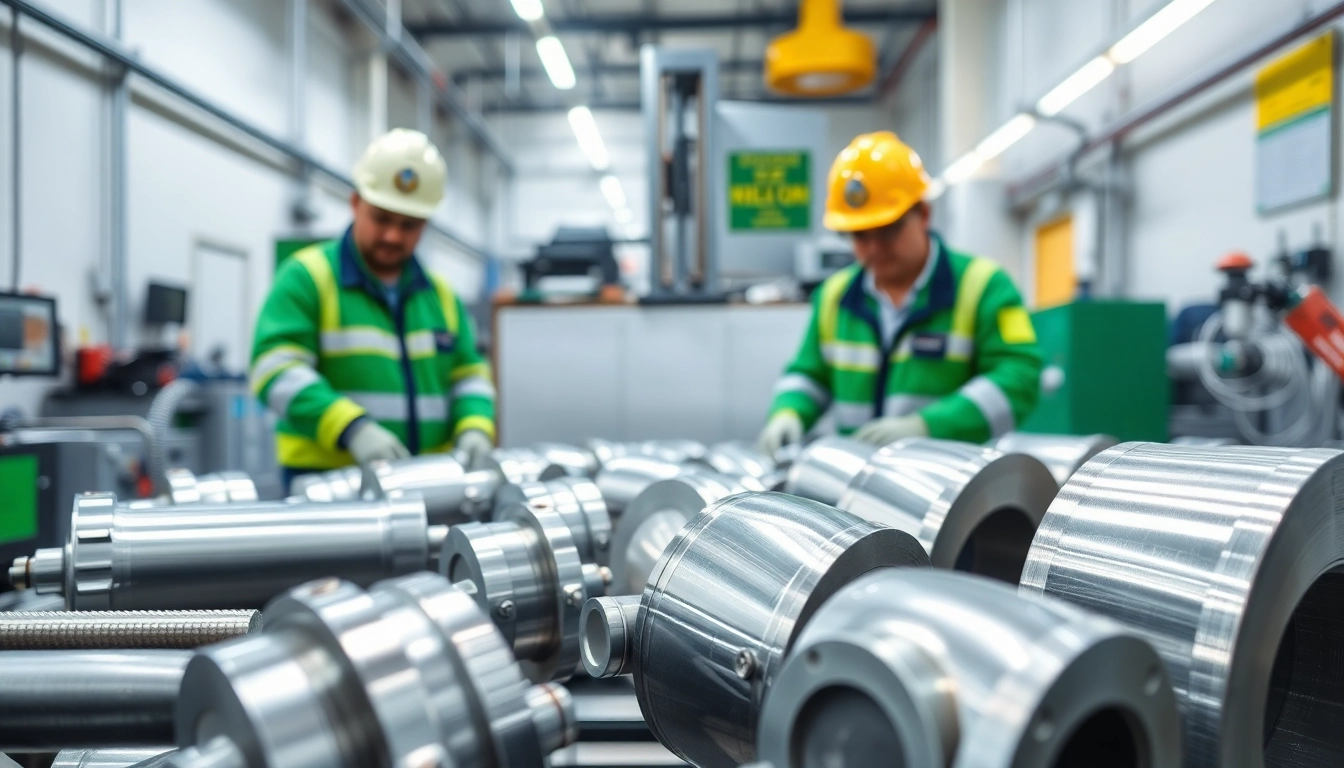
- Industrial Equipment: Machines and equipment exposed to harsh environments often utilize zinc nickel plating to prolong their operational life.
The Zinc Nickel Plating Process
The zinc nickel plating process involves several critical steps that ensure a high-quality finish and optimal bonding between the substrate and the coating. For detailed insights, zinc nickel plating malaysia is a valuable resource for companies exploring service providers in this field.
Step-by-Step Overview of Electroplating
The following steps illustrate the typical zinc nickel plating process:
- Surface Preparation: Proper cleaning and surface preparation are essential to remove any contaminants that could affect adhesion. This often involves degreasing and acid etching the metal surfaces.
- Electroplating: The prepared components are submerged in an electrolytic solution containing zinc and nickel ions. An electric current is passed through the solution, causing the metal ions to deposit onto the substrate.
- Post-Treatment: After plating, components may undergo additional treatments such as passivation or chromate conversion to enhance corrosion resistance.
Preparation of Components for Plating
Preparing components for zinc nickel plating is vital for achieving a uniform and durable coating. The process includes:
- Cleaning: Effective cleaning methods like ultrasonic cleaning or chemical degreasing are employed to ensure surfaces are free from grease, oil, and dirt.
- Inspection: Visual and dimensional inspections assess surface conditions before plating.
- Masking: Areas that should not be coated are masked to ensure precision in the application process.
Quality Control Measures in Plating
Quality control is critical in the zinc nickel plating process to ensure that finished products meet industry standards. Key measures include:
- Thickness Measurement: The thickness of the coating is often measured using techniques such as X-ray fluorescence.
- Adhesion Testing: Tests like the tape test assess how well the coating adheres to the substrate.
- Corrosion Testing: Salt spray tests can evaluate the corrosion resistance capabilities of the plating.
Choosing a Zinc Nickel Plating Provider in Malaysia
When looking for a reliable zinc nickel plating provider in Malaysia, businesses should consider several factors to ensure they make an informed decision. Evaluating potential service providers involves assessing their expertise, capacity, and compliance with industry standards.
Evaluating Service Providers
Factors to evaluate include:
- Experience: Look for companies with a proven track record in zinc nickel plating.
- Technological Capabilities: Assess whether they use modern plating techniques and equipment.
- Customer Reviews: Research testimonials or case studies to gauge customer satisfaction.
Certifications and Industry Standards
Choosing a certified service provider is crucial for maintaining quality and compliance. Look for certifications like ISO 9001, which indicate adherence to international standards for quality management. Compliance with local environmental regulations is also vital to ensure sustainable operations.
Cost Factors and Pricing Trends in 2025
The cost of zinc nickel plating services can vary based on multiple factors, including:
- Component Size: Larger components require more materials and longer processing times, impacting costs.
- Volume of Work: Bulk orders may attract discounts, leading to lower per-unit costs.
- Market Conditions: Fluctuations in raw material prices can influence overall plating costs.
Common Challenges in Zinc Nickel Plating
While zinc nickel plating offers numerous advantages, several challenges can arise during the process. Understanding these challenges helps in mitigating risks and ensuring successful outcomes.
Pitting and Corrosion Issues
Pitting can occur if the surface is not adequately prepared or if the plating bath is contaminated. This defect can lead to corrosion, undermining the entire purpose of the plating.
Ensuring Uniform Coating
Achieving a uniform coating thickness is crucial for performance. Factors such as uneven current distribution can result in areas with inadequate protection, leading to premature failure.
Environmental Regulations and Compliance
Service providers must comply with environmental regulations regarding chemical usage and waste disposal. Non-compliance can result in legal repercussions and damage to reputation.
Future Trends in Zinc Nickel Plating
The zinc nickel plating industry is evolving, with several trends expected to shape its future in the coming years.
Technological Advancements on the Horizon
Innovations in plating technology, such as the use of automated systems and advanced monitoring techniques, promise to improve efficiency and reduce errors in the plating process.
Sustainability and Eco-Friendly Practices
As industries increasingly prioritize sustainability, the development of eco-friendly plating solutions that minimize environmental impact will gain traction. There is a growing demand for less hazardous chemicals and recycling practices in plating operations.
Predictions for the Zinc Nickel Plating Market
According to market analysts, the demand for zinc nickel plating is expected to increase over the next several years, driven by the growth of the automotive and aerospace sectors. Continuous innovations are likely to enhance the performance of zinc nickel coatings, making them an even more attractive option for manufacturers in Malaysia and beyond.