

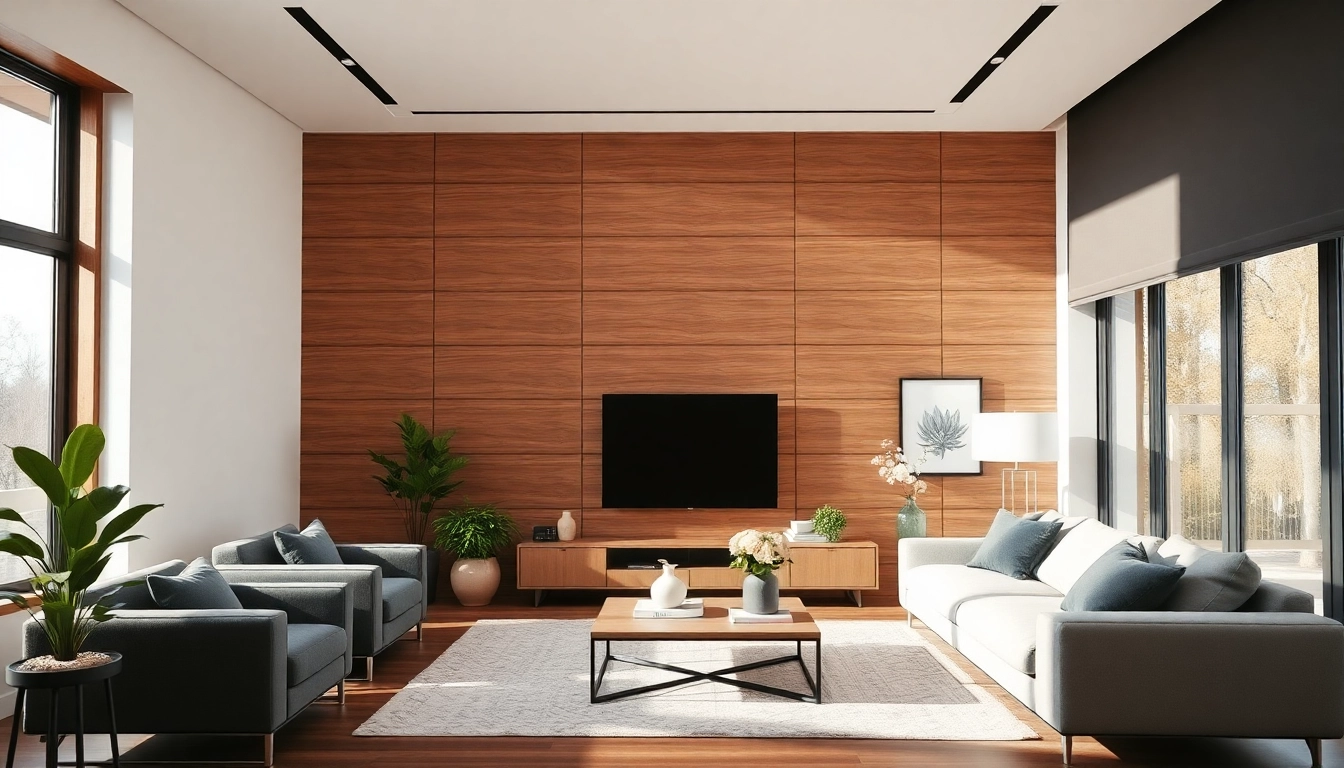
Understanding Interior Wall Paneling
What Is Interior Wall Paneling?
Interior wall paneling is a versatile architectural feature used to enhance the aesthetic appeal of indoor spaces. This decorative technique involves the installation of panels, which can be made from various materials, onto walls to create texture and character. Homeowners and designers often opt for interior wall paneling to add depth, warmth, and style to a room, contributing to both functionality and design.
Common Materials Used
There are several types of materials used in interior wall paneling, each with its unique characteristics and benefits. Common materials include:
- Wood: Traditional and timeless, wood paneling can be stained or painted in various finishes. Popular types include pine, oak, and cedar.
- MDF (Medium Density Fiberboard): A cost-effective alternative to solid wood that can be easily shaped and painted.
- PVC: Lightweight and resistant to moisture, PVC panels are ideal for areas prone to humidity.
- Gypsum Board: Often used for wainscoting, gypsum board is functional and offers good sound insulation.
- Composite Panels: Made from multiple materials, offering enhanced durability and design flexibility.
Benefits of Interior Wall Paneling
The benefits of interior wall paneling are plentiful, making it a popular choice among homeowners and designers. Here are some of the key advantages:
- Enhanced Aesthetics: Paneling can dramatically transform the look of a room by adding visual interest and dimension.
- Improved Insulation: Panels can provide additional insulation, helping to maintain comfortable temperatures indoors.
- Conceals Imperfections: Paneling can cover drywall damage or uneven surfaces effectively.
- Customization: Available in various styles, colors, and textures, allowing for personalized designs.
- Ease of Installation: Many types are designed for straightforward installation, suitable for DIY projects.
Popular Styles of Interior Wall Paneling
Modern vs. Traditional Paneling Styles
Paneling styles can be broadly categorized into modern and traditional aesthetics. Traditional styles include beadboard, wainscoting, and shiplap, which maintain a classic and cozy look. In contrast, modern paneling often features sleek lines, minimalistic designs, and a broader range of materials, catering to contemporary tastes. When selecting a style, consider the overall theme of the space and the emotional atmosphere you wish to create.
Textured and Smooth Finishes
The choice between textured and smooth finishes largely influences the room’s ambiance. Textured panels, such as those with a raised pattern, can create a focal point and add depth, while smooth finishes offer a clean and sophisticated look. The choice of finish can also impact light reflection and room brightness, contributing to the overall feeling of the space.
Accent Wall Ideas with Paneling
Creating an accent wall using paneling is an effective way to make a statement in any room. For example, a vertical shiplap installation painted in a bold color can serve as a stunning backdrop in a living room or bedroom. Alternatively, using various materials, such as combining wood and metal, can add a contemporary twist to the classic accent wall.
Installation Techniques for Interior Wall Paneling
Preparation and Tools Needed
Before starting any installation project, it’s crucial to prepare the workspace and gather the necessary tools. Key tools include a utility knife, level, measuring tape, nail gun or hammer, and adhesive (if needed). Additionally, ensure that the wall surface is clean, dry, and in good condition. Any repairs to drywall or existing paint should be completed before installation begins.
Step-by-Step Installation Guide
- Measure the Wall: Carefully measure the wall’s dimensions to determine how many panels you need.
- Plan Your Layout: Arrange the panels in a way that maximizes aesthetics and minimizes cutting.
- Cut Panels If Required: Use a utility knife or saw to cut panels to the needed size.
- Attach Panels: Begin installing from one corner, using adhesive and nails to secure the panels in place.
- Finish Edges: Trim any edges and fill gaps with caulk or wood filler for a polished look.
Tips for DIY vs. Professional Installation
DIY installation can be satisfying but may require a basic understanding of carpentry. For those who lack experience, hiring a professional may be worth the investment to ensure a seamless and beautiful result. Factors to consider include the complexity of the design, wall condition, and available time for the project.
Maintenance and Care for Interior Wall Paneling
Cleaning and Upkeep Tips
Proper maintenance ensures that your interior wall paneling remains attractive and functional over time. Regularly dusting and cleaning the panels with a soft cloth will prevent the buildup of dirt and grime. For painted panels, consider gentle cleaning solutions to avoid damaging the finish.
When to Replace or Repair
Signs that your wall paneling may need repair include warping, cracking, or peeling paint. If the damage is localized, you may be able to replace just the affected panels. However, if the damage is widespread, it may be more cost-effective to replace all the panels. Conduct regular inspections for early detection of these issues.
Choosing the Right Finish for Longevity
The finish you select plays a significant role in the longevity of your paneling. Water-resistant paints or stains are recommended for areas with higher moisture levels, such as kitchens and bathrooms. Additionally, consider using a sealant to protect wood panels from environmental damage.
Interior Wall Paneling: FAQs and Expert Tips
What is the cheapest way to do wall paneling?
The most affordable options include using MDF panels or peel-and-stick wall coverings. These materials are not only budget-friendly but also easy to install, making them ideal for DIY projects.
Can I install interior wall paneling myself?
Yes, many homeowners choose to install interior wall paneling themselves. With the right tools and preparation, DIY installation can be both rewarding and cost-effective.
What are the best paneling materials for moist areas?
For moist areas like bathrooms, PVC or composite materials are ideal. They are resistant to moisture and can withstand high humidity, unlike traditional wood materials.
Are there eco-friendly wall paneling options?
Yes, eco-friendly options such as reclaimed wood or sustainably sourced materials are available. These options reduce environmental impact while adding character to your space.
How can I customize my wall paneling design?
Customization can be achieved through various colors, textures, and patterns. Mixing materials or incorporating different panel shapes can also create a unique look tailored to your preferences.