Choosing the Best Fly Fishing Boots for Comfort and Performance
Understanding Fly Fishing Boots
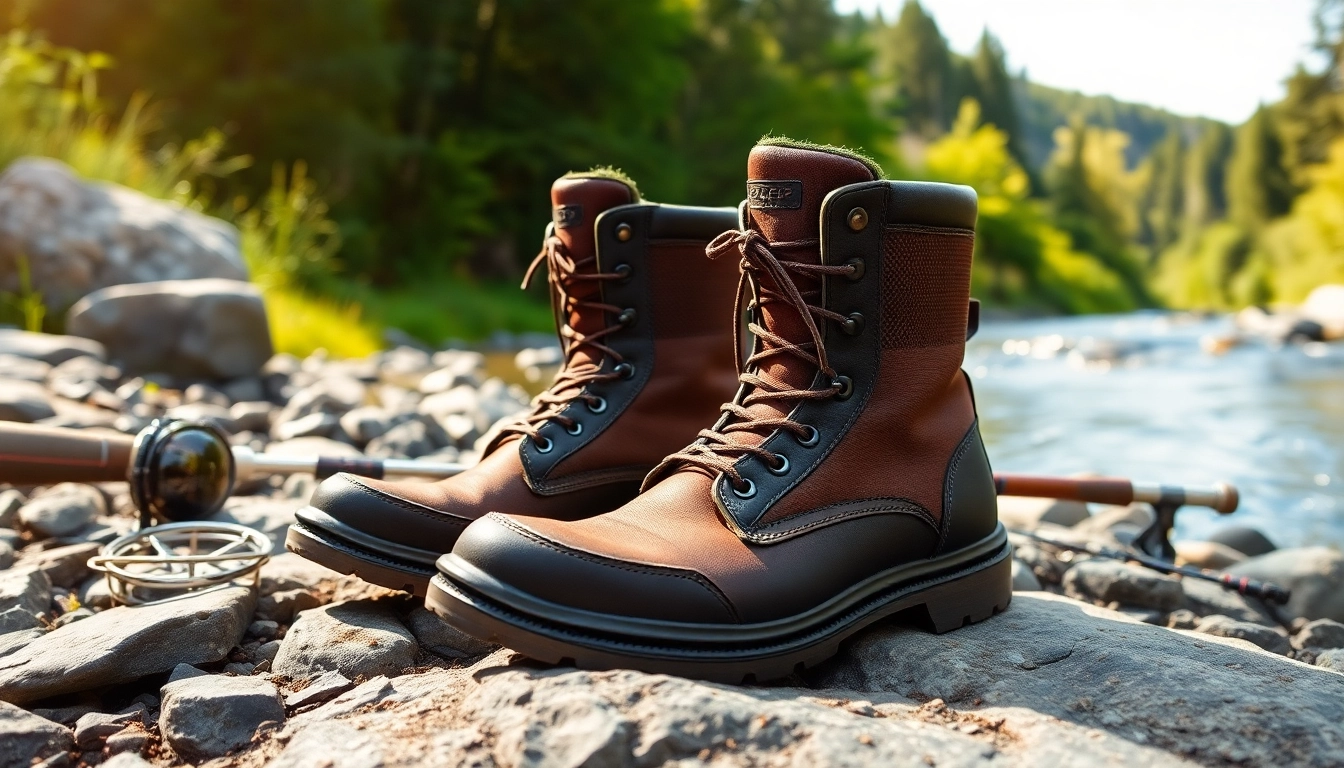
When it comes to fly fishing, having the right gear can significantly enhance your experience. Among the most critical pieces of equipment are fly fishing boots. These boots not only protect your feet but also offer stability and support as you navigate through various terrains and water conditions. In this section, we will delve deeply into the importance of quality fly fishing boots and the different types available in the market.
Why Quality Matters
Quality is a paramount consideration when selecting fly fishing boots. High-quality boots ensure that you remain comfortable during long fishing sessions, while also providing the necessary protection from the elements. Poorly made boots can lead to discomfort, injuries, and quickly diminish your enjoyment of the sport.
One of the primary materials used in quality fly fishing boots is rubber or advanced synthetic materials designed for waterproofing and durability. Boots made from these materials not only keep your feet dry but also withstand rocky riverbeds and sharp objects, which are common in fishing environments. The cost of investing in a pair of high-quality boots may seem steep initially, but considering their longevity and effectiveness, they offer value in the long run.
Types of Fly Fishing Boots
Fly fishing boots come in a variety of styles, each designed to meet different fishing conditions and preferences. Understanding these types can help you choose the right pair for your fishing adventures.
- Wading Boots: These are typically lightweight, designed for use in freshwater and saltwater environments. They often feature rubber or felt soles that provide excellent grip on slippery surfaces.
- Bootfoot Waders: These are integrated boot and wader combinations, offering complete waterproof coverage. Ideal for cold conditions, they come with insulation and extra support.
- Sandals: For warmer conditions, specially designed sandals provide comfort while allowing for water drainage. These are less common but useful for specific fishing scenarios.
- Hiking Boots: While not specifically designed for fly fishing, rugged hiking boots can also be suitable for reaching fishing spots that require a hike.
Choosing the right type of boot depends on your fishing style, the environments you fish in, and personal comfort preferences.
Key Features to Look For
When selecting fly fishing boots, it’s essential to pay attention to several key features:
- Waterproofing: Look for boots with waterproof membranes or treatments that keep your feet dry.
- Traction: Non-slip soles, often made from rubber or felt, provide necessary grip on wet and uneven surfaces.
- Support: Adequate ankle support helps prevent injuries when walking over bumpy areas.
- Comfort: Cushioned insoles and breathable materials enhance comfort during long hours on the water.
- Drainage: Boots with drainage ports or mesh panels allow water to escape, reducing weight and drying time.
Choosing the Right Fit
A proper fit is essential for ensuring comfort and performance while fly fishing. Ill-fitting boots can lead to blisters, discomfort, and an overall poor experience.
Measuring Your Foot for Best Fit
Start by measuring your foot size accurately. This is best done at the end of the day when your feet are slightly swollen. Use a ruler or a foot measuring tool to measure the length and width of your foot. Comparing these measurements with the manufacturer’s sizing chart will guide you in selecting the right size. Keep in mind that sizing can vary between brands, so always check the specific fit for the brand you are considering.
Trying Before You Buy
Whenever possible, try boots on before making a purchase. Bring along the socks you intend to wear when fishing, as thicker socks can alter the fit of the boots. Walk around in the boots to test comfort levels, making sure there are no pressure points. Flexing and bending as if you were navigating rocky streams can also help assess how well the boot supports your foot.
Adjustable Features and Comfort
Look for boots that offer adjustable features. Lacing systems, straps, and buckles can make it easier to achieve a snug, custom fit. Many quality boots will allow you to tighten or loosen the fit around the ankle and instep, which can prevent your foot from slipping while you walk or wade. Comfort is key for extended periods of wear, so prioritize boots that feel good and fit securely.
Maintaining Your Fly Fishing Boots
Cleaning and Drying Techniques
After each use, especially in muddy or sandy conditions, rinse your boots thoroughly with fresh water to remove dirt and debris. For boots with removable insoles, take them out to facilitate drying. Allow them to air dry in a well-ventilated space, but avoid direct sunlight, which can damage materials over time. If deeper cleaning is needed, use a mild soap and a soft brush to scrub the exterior. Always ensure the boots are fully dry before storing them away to prevent mold and mildew.
Repairing Minor Damage
Minor damages like small tears or leaks can often be repaired with waterproof sealants or patches designed for outdoor gear. Inspect your boots regularly for signs of wear and address any issues promptly to avoid further damage. Some manufacturers may offer repair services, so check if your boots are eligible.
Storage Tips for Longevity
Store your fly fishing boots in a cool, dry place after cleaning and drying them. Avoid cramming them into tight spaces, as this can warp their shape. Using boot trees can help maintain their form and prevent creases in the materials.
Top Brands in Fly Fishing Boots
Brand Reputation and Reviews
Look for brands with a strong reputation in the fly fishing community. Reading reviews from fellow anglers can provide valuable insights into the performance and durability of different models. Brands like Simms and Orvis are known for their high-quality materials and reliable craftsmanship.
Comparing Styles and Prices
Styles can greatly vary between brands, and so can prices. It’s important to find a balance between quality and budget that suits your needs. Premium brands might be more expensive upfront but could offer better longevity and performance.
What to Expect from Each Brand
Each manufacturer has its specialties. For instance, Simms is renowned for its innovative technology and performance-focused designs, while other brands may prioritize affordability or unique styling. Understanding what each brand offers can help you choose pairs that align with your fishing goals.
Common Mistakes to Avoid When Buying Fly Fishing Boots
It’s easy to make missteps when purchasing fly fishing boots, especially for beginners. Here are several pitfalls to avoid.
Choosing Based on Price Alone
While sticking to a budget is important, don’t let price alone dictate your choice. A low-cost option may not provide the support and durability required for effective performance on the water. Instead, consider the overall value, quality, and features that justify the cost.
Ignoring Water Resistance Features
Never overlook the importance of water resistance. Boots that fail to provide adequate protection against water can lead to discomfort and even conditions like trench foot. Always check for waterproof membranes and materials that enhance the boot’s ability to keep your feet dry.
Overlooking Size Variations Across Brands
Lastly, remember that size variations can differ significantly among brands. What fits perfectly in one brand may be too tight or too loose in another. Always try boots on or reference sizing charts before making a decision to avoid the frustration of an improper fit.