Discover the Unmatched Charm of Clarksburg Wineries and Their Unique Offerings
Understanding Clarksburg Wineries
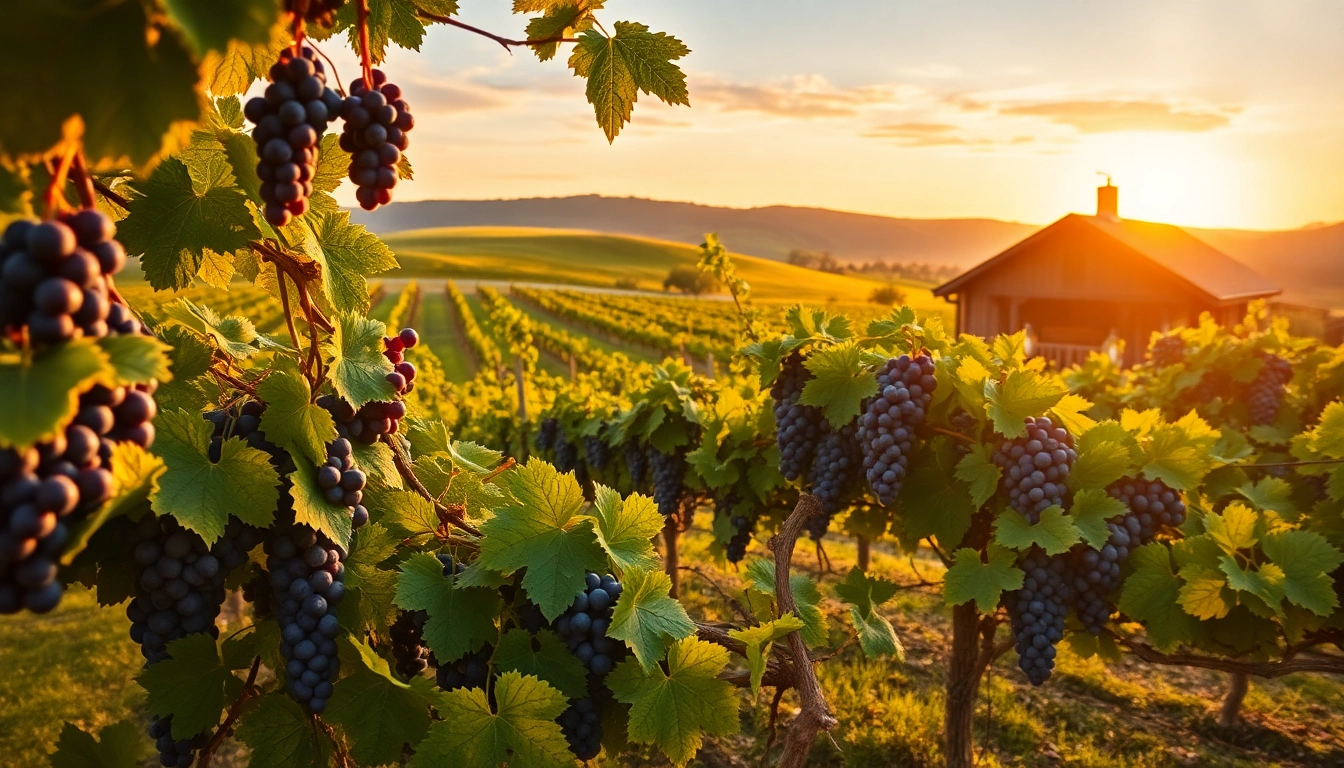
Nestled in the beautiful landscape of California, Clarksburg is gaining attention for its wine production and charming wineries. As an emerging wine region, the clarksburg wineries contribute to the richness of the state’s viticulture landscape. The area’s vineyards, influenced by the climate and soil, have birthed a selection of exceptional wines that are drawing wine enthusiasts from near and far.
History and Background of Clarksburg Vineyards
The history of winemaking in Clarksburg dates back to the late 1800s when the first settlers recognized the potential of the fertile alluvial soils deposited by the Sacramento River. Clarksburg’s viticultural journey has been marked by the establishment of various wineries and the cultivation of numerous varietals, such as Chenin Blanc and Zinfandel. Originally focused on the production of table wines, Clarksburg has evolved into a region that commands respect with its premium wines.
In the 1960s, many vineyards transitioned from traditional farming practices to more innovative viticultural methods. This era saw the introduction of modernized equipment and a newfound focus on quality over quantity. The establishment of the Clarksburg AVA (American Viticultural Area) in 1984 marked a significant development in the region’s winemaking narrative. This acknowledgment helped elevate the wines produced in the region, making Clarksburg a contender in the competitive California wine industry.
Types of Wines Produced in Clarksburg
Clarksburg is known primarily for its white wines, particularly Chenin Blanc. Its proximity to the Delta provides a unique climate that encourages the growth of this varietal, allowing winemakers to achieve a balance of acidity and sweetness that is distinctive to the region. In addition to Chenin Blanc, Clarksburg produces notable red varietals including Zinfandel and Petite Sirah, both of which thrive in the area’s warm days and cool nights.
The diversity of the terroir in Clarksburg allows for the production of a variety of wine styles, ranging from crisp and refreshing whites to robust and complex reds. This versatility is a testament to the region’s rich soil composition and climate conditions, making it a treasure trove for wine aficionados.
Characteristics that Make Clarksburg Unique
Several factors contribute to the uniqueness of Clarksburg as a wine-producing region. Firstly, its geographical location offers a distinct microclimate that benefits grape cultivation. The cool breezes from the Delta during the evening and early morning hours help regulate the temperature, allowing grapes to remain on the vine longer to achieve optimal ripeness.
Additionally, the soil in Clarksburg is predominantly sandy loam with areas of clay, providing excellent drainage and nutrient delivery. These soil conditions, combined with a conducive climate and innovative winemaking practices, result in wines that embody the essence of this vibrant region. The commitment of local vintners to sustainability and organic farming practices further enhances the quality of wines produced here, making Clarksburg a standout destination for wine lovers.
Top Wineries in Clarksburg to Visit
Overview of Notable Clarksburg Wineries
Visiting Clarksburg wineries offers a delightful experience for all, from casual wine drinkers to seasoned connoisseurs. Among the notable wineries are:
- Old Sugar Mill: This historic facility has transformed from a sugar mill to a vibrant salt of tasting rooms, hosting several boutique wineries offering diverse wines and tasting experiences.
- Bogle Vineyards: Known for its award-winning wines, Bogle Vineyards has been a family-run operation since the 1970s and boasts an impressive range of varietals.
- Clarksburg Wine Company: Specializing in Chenin Blanc, this winery embraces the local terroir to deliver quality wines that reflect their roots.
Experiential Offerings at Clarksburg Wineries
Beyond tastings, many Clarksburg wineries offer unique experiences that immerse visitors in the local wine culture. Many wineries feature guided vineyard tours, where guests can learn about the grape growing process, agricultural practices, and the technology utilized in modern winemaking. Educational workshops are also commonplace, with sessions dedicated to the art of wine blending or food pairing.
Seasonal events are another highlight, often including wine releases or themed parties with live music, gourmet food trucks, and more. This creates an inviting atmosphere and promotes a sense of community among attendees.
Visitor Experiences and Reviews
Visitor experiences at Clarksburg wineries are consistently positive, highlighting the welcoming and knowledgeable staff. Many reviews draw attention to the picturesque settings, exceptional wines, and the intimate size of the wineries, which fosters relaxed communication with winemakers.
First-time visitors often remark on the accessibility of the wineries and the passionate story behind each vineyard’s offerings. Wine club memberships are highly praised as a way to explore new releases and exclusive wines while supporting local businesses.
Wine Tasting Etiquette at Clarksburg Wineries
Preparation Tips for Newcomers
For newcomers to wine tasting, preparation begins with having a general understanding of what to expect. Dressing comfortably and appropriately for the winery’s environment—often a casual yet polished style—is advisable. Moreover, having a plan for transportation, whether driving or using a ride-sharing service, ensures a safe and enjoyable experience.
It is also beneficial to have a basic understanding of wine-tasting terminology. Familiarizing yourself with terms like “nose,” “palate,” and “finish” can enhance your tasting experience and enable you to articulate your preferences when engaging with winery staff.
Understanding Wine Terminology
A solid grasp of wine terminology can significantly enhance the tasting experience. Key terms, such as acidity, tannin, and body, contribute to the overall profile of the wine. Understanding how these elements interact assists tasters in making informed choices about their preferences. Additionally, terms related to flavors—such as fruity, earthy, and floral—offer insights into how to identify particular notes in wines. Engaging with staff at wineries can deepen this understanding as they often provide detailed descriptions and recommendations based on product knowledge.
Engaging with Winemakers and Staff
Interacting with winemakers and winery staff is an enriching aspect of the wine tasting experience. They not only offer valuable insights into their wines but also share personal stories related to their craft. A respectful approach involves listening, asking questions, and showing genuine interest. Many winemakers appreciate curiosity about their processes or grape sourcing. This engagement can lead to deeper knowledge of the wines and even recommendations tailored to personal tastes.
Pairing Food with Clarksburg Wines
Best Local Dishes to Enjoy with Clarksburg Wines
Pairing food with Clarksburg wines can elevate a meal to new heights. The versatility of locally produced wines allows for numerous pairing possibilities. For example, the bright acidity of Chenin Blanc complements seafood dishes beautifully, enhancing flavors of dishes like grilled shrimp or pan-seared scallops.
Meanwhile, the bold characteristics of Clarksburg Zinfandel pair well with richer dishes, such as barbecued meats or hearty pastas. Exploring local cuisine, such as farm-to-table offerings from nearby restaurants, can create a delightful dining experience alongside Clarksburg wines.
Special Events Featuring Food and Wine Pairings
Special events highlighting food and wine pairings are commonplace in Clarksburg, drawing culinary enthusiasts from the surrounding areas. Many wineries host themed events that showcase local chefs, allowing attendees to experience gourmet meals designed specifically to complement their wines. These events create opportunities for guests to learn directly from culinary experts about the art of pairing and taste the vibrant flavors of both food and wine together.
Seasonal Menus at Wineries
Clarksburg wineries often create seasonal menus that align with harvest, changing weather, or holidays, offering visitors a rotating selection of food that pairs beautifully with their wines. With the rise of local sourcing, many wineries collaborate with local farms to provide the freshest ingredients. This not only emphasizes the authenticity of the food and wine pairings but also supports the local economy, fostering a sense of community and shared appreciation for the region’s offerings.
Planning Your Visit to Clarksburg Wineries
Seasonal Considerations for Winery Visits
When planning a visit to the Clarksburg wineries, considering the time of year is crucial. Spring and fall are particularly recommended, as mild temperatures and picturesque scenery enhance the experience. Springtime may offer glimpses of vibrant grape blooms, while fall reveals the beauty of harvest season, complete with grape picking and celebratory events throughout the region.
Each season brings its own charm, as summer allows for outdoor tastings amidst lush vineyard views, while winter offers cozy, intimate experiences with fewer crowds. Understanding the seasonal offerings can help tailor your visit to match your preferences.
Transportation Options to Clarksburg Wineries
Accessibility to Clarksburg wineries is facilitated via various transportation options, making it easy for visitors to enjoy their experiences without worrying about logistics. If choosing to drive, parking facilities are readily available at most wineries. However, individuals looking to sample wines might consider hiring a limousine or participating in a guided wine tour, ensuring a stress-free visit. Rideshare services are also a convenient option for those seeking a more casual outing.
Creating a Winery Tour Itinerary
Crafting a winery tour itinerary can enhance your wine-tasting adventure in Clarksburg. Begin by determining the number of wineries you wish to visit based on your available time; typically, three to four wineries in a day is an achievable goal. Research the operating hours and any special events that might be happening during your visit.
Balancing the selection of familiar favorites and new discoveries allows for a comprehensive exploration of the region’s offerings. Incorporate breaks for lunch or picnics—many wineries permit visitors to bring food to enjoy on-site. Ensure you allow for some unstructured time; great conversations and wine discoveries often occur unexpectedly, adding a special touch to your vineyard journey.