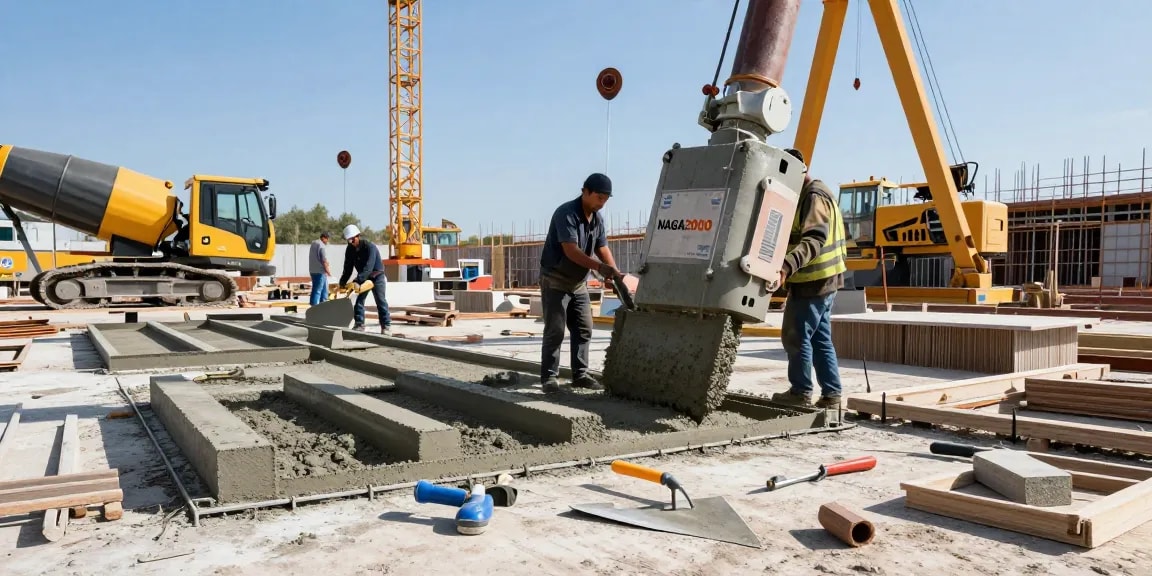
Understanding Construction Workforce Development
The construction industry is a critical pillar of the global economy, contributing significantly to infrastructure development, economic growth, and job creation. However, the industry faces a myriad of challenges, particularly concerning the availability and quality of its workforce. In this context, construction workforce development has emerged as a vital area of focus. It encompasses the training, education, and overall enhancement of laborers to meet the industry's dynamic demands, ensuring that workers are equipped with the necessary skills and knowledge to thrive.
The Importance of Workforce Development in Construction
Workforce development plays an indispensable role in enhancing productivity, safety, and sustainability within the construction sector. One of its primary goals is to address the skills gap that has become increasingly pronounced due to rapid technological advancements and evolving project requirements. Effective workforce development ensures that all personnel—from general laborers to highly skilled technicians—are prepared to contribute positively to their teams and projects.
Moreover, investing in workforce development can lead to increased employee retention, higher job satisfaction, and a more engaged workforce. Training programs foster an environment of continuous learning, which is essential in a field characterized by constant change. As companies prioritize workforce development, they not only elevate their capabilities but also create a more competitive edge in the marketplace.
Key Challenges in the Construction Industry
The construction industry is currently grappling with several challenges that hinder effective workforce development. Some of the most pressing issues include:
- Labor Shortages: A significant shortage of skilled laborers exists, exacerbated by an aging workforce and a lack of interest among younger generations in pursuing careers in construction.
- Safety Concerns: Construction sites are inherently dangerous, and a well-trained workforce is essential for minimizing accidents and injuries.
- Rapid Technological Change: The introduction of new technologies—such as Building Information Modeling (BIM), drones, and robotics—demands that workers be retrained regularly to keep up.
- Economic Fluctuations: Economic cycles often result in project delays or cancellations, complicating workforce planning and development efforts.
These challenges underscore the necessity of a strategic approach to workforce development, ensuring that the labor force is prepared to meet current and future demands in the construction industry.
Current Trends in Workforce Development
As the construction industry navigates these challenges, several trends in workforce development have emerged:
- Emphasis on Diversity: Companies are increasingly recognizing the value of diverse workforces and implementing strategies that promote inclusion across all demographics.
- Utilization of Technology: The adoption of online training platforms and virtual reality simulations allows for flexible, immersive learning experiences that can reach a broader audience.
- Collaboration with Educational Institutions: Partnerships with schools, colleges, and universities are becoming crucial for building a pipeline of qualified candidates who are ready to enter the construction workforce.
- Focus on Soft Skills: In addition to technical skills, there is a growing emphasis on interpersonal skills, leadership, and teamwork, recognizing that collaboration is key to successful project execution.
Strategies for Effective Workforce Training Programs
To address the challenges faced in workforce development, organizations must implement comprehensive training programs that are tailored to the unique needs of the construction industry. Here are some effective strategies:
Creating Comprehensive Training Curriculums
Developing a robust training curriculum is essential to equip workers with the skills required to meet industry standards. This curriculum should be multifaceted, incorporating:
- Technical Skills: Training should cover core competencies such as safety regulations, equipment operation, and construction methodologies.
- Soft Skills: Programs that enhance communication, problem-solving, and leadership abilities can create well-rounded employees who are more capable on the job.
- Continuing Education: Training should not be a one-time event but an ongoing process that encourages lifelong learning and skill enhancement.
By implementing such an all-encompassing curriculum, organizations can ensure that their workforce remains adaptable to new challenges and technologies arising in the field.
Utilizing Technology for Skill Enhancement
Technology plays a crucial role in the evolution of workforce training. Utilizing modern tools such as virtual reality (VR) and augmented reality (AR) can create engaging and effective training environments. For example:
- Virtual Reality Simulations: VR can recreate hazardous scenarios for training purposes without the risks associated with real-life situations. Trainees can gain hands-on experience in a controlled environment.
- Online Learning Platforms: These platforms can offer flexible learning options, allowing workers to train at their own pace and making education more accessible to all.
- Mobile Applications: Training can be supplemented with apps that provide on-the-job resources, safety checklists, and quick reference guides for workers in the field.
Partnering with Educational Institutions
Collaborations with educational institutions are pivotal for cultivating the next generation of construction professionals. Such partnerships can facilitate:
- Internship Programs: These provide students with practical experience, bridging the gap between classroom learning and real-world application.
- Curriculum Development: Collaborating with schools can lead to curricula that align more closely with industry needs, ensuring that graduates are job-ready.
- Scholarship Opportunities: Offering scholarships can incentivize students to choose construction-related fields of study, helping to fill positions in the long term.
Establishing these partnerships fosters a pipeline of skilled workers who are prepared to undertake the challenges of a modern construction environment.
Attracting New Talent to the Construction Industry
Attracting new talent is vital for sustaining growth in the construction industry. Organizations must implement innovative strategies to appeal to a younger, diverse workforce.
Marketing Careers in Construction to Younger Generations
The perception of construction careers often lacks appeal among younger generations. However, organizations can enhance this by:
- Showcasing Career Opportunities: Highlighting successful career paths and potential earnings can help dispel myths about the construction industry.
- Utilizing Social Media: Platforms like Instagram and TikTok can be used to share engaging content that showcases daily life in construction, emphasizing creativity and innovation.
- Promoting Skilled Trades: Emphasizing the value of skilled trades as a prestigious career choice can change perceptions among high school students.
Benefits of Diversity and Inclusion in Recruitment
Diversity and inclusion are essential in creating a dynamic and innovative workforce. A diverse team brings varied perspectives and problem-solving approaches, enhancing creativity and productivity. Strategies to promote diversity in recruitment include:
- Broadening Recruitment Efforts: Actively seeking candidates from underrepresented communities can foster a more inclusive workforce.
- Creating Supportive Work Environments: Companies should develop policies and programs that support diversity, such as mentorship programs for women and minorities in construction.
- Building Partnerships: Collaborating with organizations that focus on diversity can aid in reaching a wider candidate pool.
Establishing Internship and Apprenticeship Opportunities
Internship and apprenticeship programs serve as vital conduits for bringing new talent into the industry. These programs enable hands-on experience, which is invaluable for skill development. To successfully implement these programs:
- Engage with Local Schools: Building relationships with vocational schools can facilitate smoother transitions for students into internships.
- Offer Mentorship: Pairing interns and apprentices with experienced workers can provide guidance and enhance learning experiences.
- Provide Competitive Compensation: Ensuring that apprentices and interns are compensated fairly can attract more candidates and demonstrate the value of their contribution.
Measuring the Success of Workforce Development Initiatives
To determine the effectiveness of workforce development programs, organizations must establish clear metrics and feedback mechanisms. Understanding what works—and what doesn't—is crucial for continuous improvement.
Key Performance Indicators for Training Programs
Identifying and tracking specific key performance indicators (KPIs) can help organizations measure the success of their training initiatives. Some essential KPIs include:
- Training Completion Rates: Monitoring how many employees complete their training programs can indicate engagement and comprehensiveness.
- Skill Assessments: Regular assessments post-training can gauge the effectiveness of the training in real-world scenarios.
- Employee Retention Rates: An increase in retention can indicate successful engagement and satisfaction stemming from training and development efforts.
Feedback Mechanisms from Trainees
Implementing feedback mechanisms allows organizations to gather insights directly from trainees. Effective feedback can include:
- Surveys: Anonymous surveys can provide honest assessments of training programs and highlight areas for improvement.
- Focus Groups: Engaging small groups of trainees in discussions can yield valuable qualitative data about training effectiveness.
- One-on-One Interviews: Personal interviews can deepen understanding of trainees' experiences and recommendations for future programs.
Long-term Impacts on Industry Growth
Ultimately, the success of workforce development initiatives should be assessed based on their long-term impacts on the construction industry. Indicators of lasting success can include:
- Increased Project Efficiency: Improved workforce skills can lead to enhanced productivity and project delivery times, positively influencing profit margins.
- Safety Improvements: Lower accident rates and improved safety records signify a well-trained workforce, reducing liability and fostering a better company reputation.
- Enhanced Innovation: A skilled workforce is better equipped to adopt and innovate new construction methodologies and technologies, paving the way for industry advancement.
Future Outlook for Construction Workforce Development
The future of construction workforce development looks to be shaped by emerging technologies and changing demographics. Understanding these trends is essential for preparing for upcoming changes.
Emerging Technologies and Their Impact on Workforce Needs
The impact of technology on the construction industry cannot be overstated. With the rise of automation, artificial intelligence, and construction technologies, workforce development must evolve. Emerging technologies will require workers to possess:
- Digital Literacy: Basic understanding of software and digital tools will be critical for all roles in construction.
- Technical Expertise: Workers will need specialized training in the use and maintenance of new technologies, such as drones and advanced machinery.
- Adaptability: The ability to quickly learn and adjust to new tools and systems will be essential as technology continues to evolve.
Policy Changes Influencing Workforce Training
Changes in government policies can have significant effects on workforce training initiatives. Efforts to promote vocational training, increase funding for apprenticeship programs, and provide tax incentives for businesses that invest in employee development can help to bolster workforce readiness in construction. Keeping abreast of policy changes and adapting strategies accordingly ensures that organizations can remain compliant and leverage available resources effectively.
Preparing for Changes in Workforce Demographics
As the workforce demographics shift, with younger employees entering the field, companies must adapt their approach to training and engagement. This includes:
- Understanding Generational Differences: Tailoring training programs to accommodate various learning styles and preferences of different age groups can enhance effectiveness.
- Creating Flexible Work Environments: Offering flexibility in work arrangements and promoting a healthy work-life balance can attract younger talent.
- Emphasizing Career Pathways: Demonstrating clear career advancement opportunities can help retain younger workers who are looking for growth in their careers.
In summary, navigating the challenges of construction workforce development requires a comprehensive strategy that addresses training, technological advancements, and demographic shifts. By prioritizing skill development, leveraging technology, and fostering inclusive environments, the construction industry can fortify itself for the future, ensuring a skilled and effective workforce that meets the evolving needs of society.