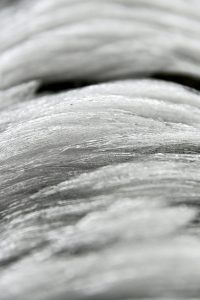
Premium Fiberglass Matting for Strength and Structural Support

Fiberglass matting has become an essential material in construction, automotive, marine, and industrial applications due to its exceptional strength, lightweight properties, and versatility. At Zhongsheng Fiberglass, we specialize in providing high-quality fiberglass matting designed to enhance durability, prevent cracks, and improve the structural integrity of various projects. This article explores the benefits, types, applications, and technical aspects of fiberglass matting to help you understand why it is the preferred reinforcement material worldwide.
What Is Fiberglass Matting?
Fiberglass matting is a type of reinforcement material made from fine glass fibers bound together in a non-woven or woven pattern. The matting is designed to distribute stress and enhance structural stability when combined with resins or other binding agents. Its unique composition ensures high tensile strength, excellent heat resistance, and durability, making it suitable for demanding applications.
Composition and Structure
Fiberglass matting typically consists of randomly oriented or woven glass fibers that are bonded using chemical binders. The fibers may vary in thickness and length, which influences the overall strength and flexibility of the matting. High-quality fiberglass matting from Zhongsheng Fiberglass ensures consistent fiber density, uniform thickness, and superior reinforcement capabilities.
Advantages of Fiberglass Matting
- High Strength-to-Weight Ratio: Fiberglass matting reinforces structures without adding significant weight.
- Corrosion Resistance: Unlike metal reinforcements, fiberglass does not rust or corrode, ensuring longevity in harsh environments.
- Versatility: It can be used in a wide range of applications, from marine vessels to automotive parts and construction projects.
- Thermal Stability: Fiberglass matting withstands high temperatures, making it ideal for industrial applications.
- Ease of Handling: Lightweight and flexible, it is easy to cut, shape, and apply to various surfaces.
Types of Fiberglass Matting
Fiberglass matting is available in several forms to meet different reinforcement requirements. Choosing the right type is crucial for maximizing performance.
Chopped Strand Mat
Chopped strand mat (CSM) consists of randomly distributed glass fibers held together by a binder. This type of matting is ideal for molding complex shapes and providing uniform strength across a structure.
Woven Roving Mat
Woven roving mat features continuous fibers woven together for superior tensile strength. It is commonly used in applications requiring high structural integrity, such as boat hulls and industrial panels.
Continuous Filament Mat
Continuous filament mat uses unbroken fibers aligned in a specific direction. This matting is preferred in applications requiring directional strength and minimal resin consumption.
Applications of Fiberglass Matting
Fiberglass matting is highly versatile and finds use in multiple industries. Its combination of strength, durability, and lightweight properties makes it suitable for a broad range of projects.
Construction and Infrastructure
In construction, fiberglass matting reinforces concrete, repair cracks, and strengthens wall panels. It helps prevent structural failures and extends the lifespan of buildings and bridges.
Automotive Industry
Fiberglass matting is extensively used in manufacturing car body panels, dashboards, and reinforcement parts. Its lightweight nature contributes to fuel efficiency while maintaining high impact resistance.
Marine Applications
Boat hulls, decks, and other marine structures rely on fiberglass matting for durability, water resistance, and long-term performance in harsh maritime environments.
Industrial Manufacturing
Industrial machinery, storage tanks, and pipes benefit from fiberglass matting due to its corrosion resistance and high thermal stability. It provides reliable reinforcement for demanding industrial settings.
Installation and Best Practices
Correct installation of fiberglass matting is crucial to achieve optimal results. Key considerations include:
- Surface Preparation: Clean and smooth the surface to ensure proper adhesion.
- Resin Selection: Choose compatible resins to maximize the strength and durability of the matting.
- Layering: Apply multiple layers if needed, ensuring uniform distribution of fibers.
- Curing: Follow recommended curing times and conditions to achieve maximum structural support.
Why Choose Zhongsheng Fiberglass for Fiberglass Matting
At Zhongsheng Fiberglass, we prioritize quality, consistency, and performance. Our fiberglass matting products are manufactured under strict quality control standards, ensuring uniform fiber distribution, excellent bonding with resins, and long-lasting durability. We provide a wide range of options suitable for construction, automotive, marine, and industrial applications, making us a trusted partner for businesses worldwide.
Quality Assurance
All our fiberglass matting products undergo rigorous testing for tensile strength, thickness uniformity, and heat resistance. This commitment to quality ensures that our clients receive products capable of delivering reliable structural reinforcement.
Custom Solutions
We offer customized fiberglass matting tailored to specific project requirements. Whether you need unique fiber thickness, density, or size, Zhongsheng Fiberglass can provide a solution that meets your precise needs.
Conclusion
Fiberglass matting is an indispensable material for modern reinforcement and structural applications. Its combination of high strength, lightweight properties, corrosion resistance, and versatility makes it the preferred choice across multiple industries. By choosing Zhongsheng Fiberglass, you gain access to premium fiberglass matting that guarantees superior performance, reliability, and longevity. Whether for construction, automotive, marine, or industrial use, our fiberglass matting ensures your projects achieve the structural support they require while maintaining professional standards of quality.