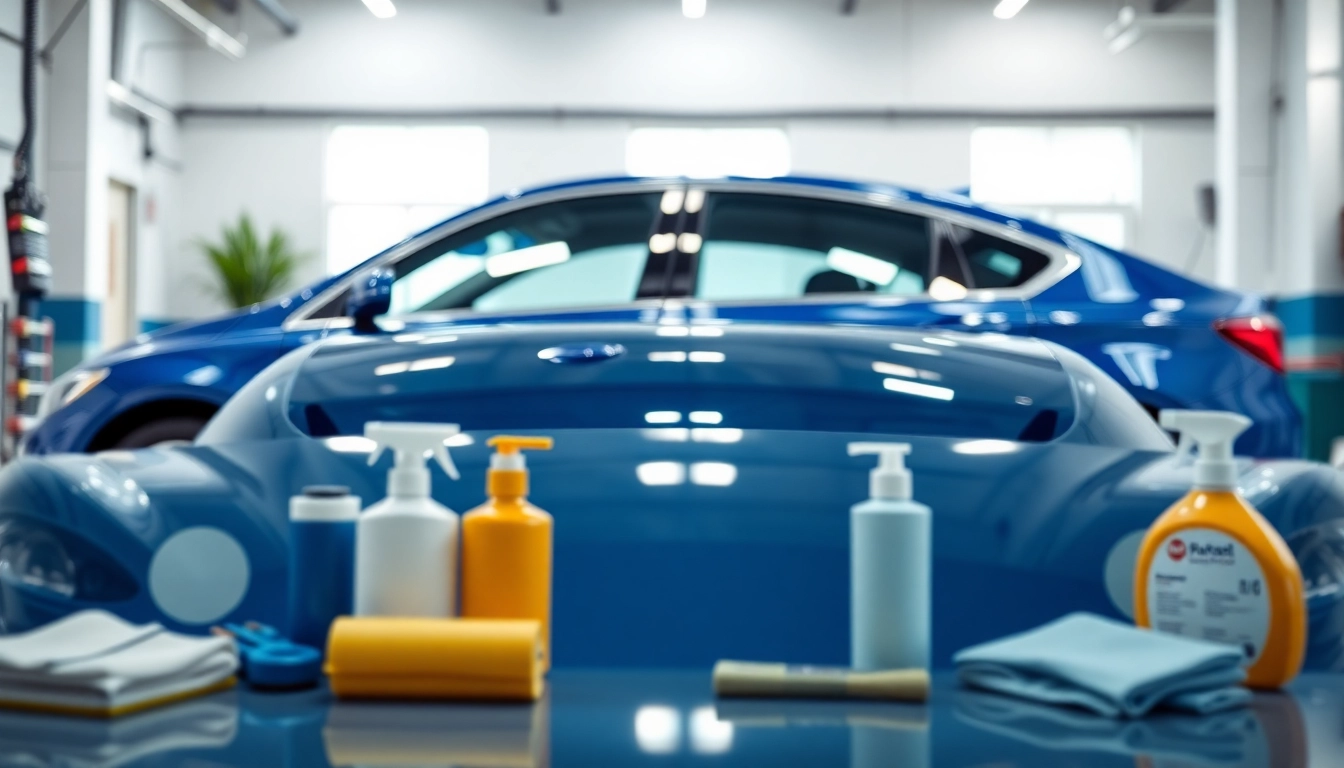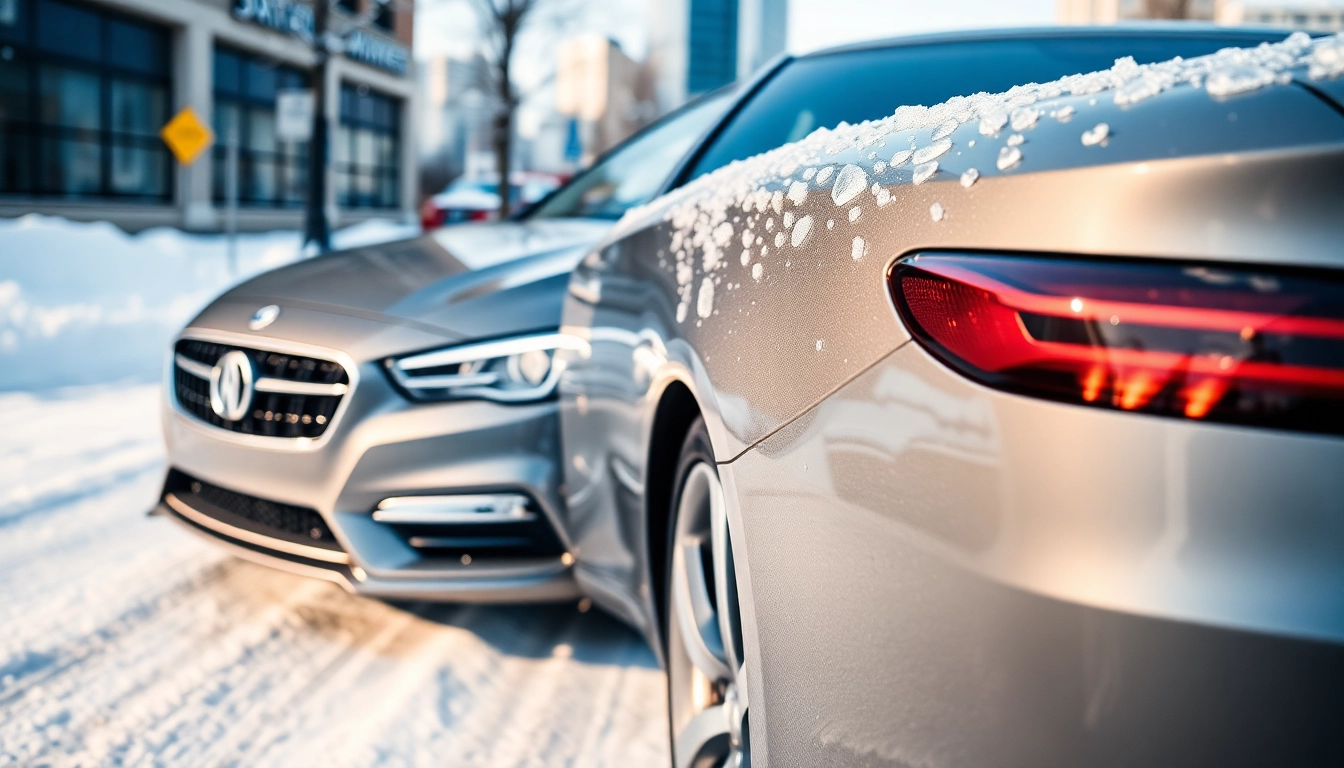
Introduction to PPF Winter Road Salt Protection
As winter approaches, drivers face a unique set of challenges, particularly regarding road maintenance. Snow and ice removal often lead to the heavy application of road salt, which, while useful for safety, poses a severe risk to vehicles' paint and bodywork. To combat these harsh conditions, many vehicle owners are turning to protective solutions like Paint Protection Film (PPF). This comprehensive guide will explore the ins and outs of PPF winter road salt protection, illustrating how it can safeguard your vehicle during winter months.
What is PPF?
Paint Protection Film (PPF) is a clear, thermoplastic urethane film that acts as a barrier against environmental elements and physical abrasions. Originally developed for military applications, PPF has since gained popularity among car enthusiasts and everyday drivers alike. Available in various thicknesses and finishes, this film is designed to shield a vehicle's surface from scratches, stains, and damage caused by road debris and corrosive substances, including road salt.
Importance of Winter Road Protection
Winter conditions bring about a range of threats to vehicle integrity. Road salt is a common treatment used to melt ice and snow but can lead to corrosion, especially if left on the vehicle's surface. Regular exposure to salt and moisture can cause the paint to chip, the metal to rust, and even lead to structural issues over time. As vehicle owners look for ways to extend the life of their cars while maintaining their aesthetics, the importance of winter road protection cannot be overstated.
How PPF Protects Against Salt Damage
PPF provides an excellent line of defense against road salt and other winter challenges. When applied correctly, the film creates an invisible barrier that absorbs impacts, preventing chips and scratches that may otherwise lead to corrosion. The film's hydrophobic properties also help repel moisture, making it more difficult for salt and water to adhere to the paint surface. Moreover, many PPF products are chemical-resistant, further enhancing their ability to protect against salty residues that can accelerate corrosion.
Benefits of PPF Winter Road Salt Protection
Durability and Longevity
One of the standout features of PPF is its durability. High-quality films can last anywhere from 5 to 10 years, depending on environmental conditions and maintenance practices. This long lifespan means that once applied, a vehicle can enjoy sustained protection without the need for frequent replacements, making it an efficient investment.
Enhanced Vehicle Aesthetics
Beyond protection, PPF serves to enhance the overall appearance of the vehicle. High-quality films are virtually invisible and maintain the vehicle's original shine. Additionally, they protect against UV rays, which can cause paint to fade over time. This dual function ensures that your vehicle looks pristine, even years after installation.
Cost-Effectiveness Over Time
While the initial investment in PPF installation might seem steep, it can prove cost-effective in the long run. By preventing potential rust damage and paint chips, PPF can save vehicle owners from costly repairs or repainting. Furthermore, maintaining a vehicle's aesthetic value can lead to higher resale values, making PPF not just a protective measure, but a smart financial decision as well.
How to Apply PPF for Winter Protection
Preparation Steps Before Application
Proper preparation is crucial for effective PPF application. Here are the essential steps:
- Wash the Vehicle: Thoroughly clean the vehicle to remove dirt, grime, and any existing contaminants on the surface that could affect the adhesive quality.
- Dry the Surface: Ensure that the vehicle is completely dry before applying the film. Moisture can cause bubbles and adhesion issues.
- Inspect for Imperfections: Check for any paint chips or scratches on the vehicle, as these can affect the smoothness of the PPF application.
Application Techniques for Best Results
When it comes to applying PPF, precision is key. Here are some fundamental techniques:
- Use of a Slip Solution: Apply a slip solution (soap and water mixture) to the paint surface and the adhesive side of the PPF. This will allow for repositioning if necessary.
- Start at One Edge: Begin applying the film from one edge of the panel and work your way across, using a squeegee to eliminate air bubbles gradually.
- Heat the Film: Using a heat gun can help stretch the film for a better fit, especially around curves and edges.
Aftercare Tips Post-Application
Post-application care is just as important as the installation process. Here are some tips to ensure the longevity of PPF:
- Avoid Washing: Refrain from washing the vehicle for at least a week after installation to allow the adhesive to cure properly.
- Use Gentle Cleaning Products: When cleaning the PPF, use pH-neutral solutions to avoid damaging the film.
- Regular Inspections: Regularly check for any signs of lifting or damage and address them immediately to maintain the efficacy of protection.
Common Challenges with PPF Winter Road Salt Protection
Identifying Quality Issues
Not all PPF products are created equal. It’s crucial to identify quality issues before application. Poor-quality films may yellow over time, become brittle, or fail to adhere properly. Always opt for reputable brands and consider professional installation to minimize risks.
Dealing with Weather Conditions
Winter weather can pose challenges for PPF application. Cold temperatures can affect the adhesive properties, making it difficult to achieve optimal adhesion. It’s best to apply PPF in a controlled environment where temperature is regulated.
Maintenance and Repair Considerations
While PPF is resilient, it’s not indestructible. Scratches, impacts, and abrasions can occur. Thankfully, many modern PPFs are designed for easy repair, allowing for sections to be replaced without the need for a full reapplication.
FAQs about PPF Winter Road Salt Protection
How long does PPF last?
PPF can last several years, often 5-10, depending on maintenance and environmental factors.
Can PPF be reapplied after damage?
Yes, PPF can be repaired or reinstalled in sections, depending on the damage extent.
Is PPF visible on my vehicle?
High-quality PPF is virtually invisible on most surfaces, maintaining your vehicle's appearance.
How do I maintain PPF?
Regular washing and using maintenance sprays can help keep PPF looking new and effective.
Does PPF affect the paint underneath?
No, PPF helps protect the paint from damage, and it can be removed without harming the surface.