
Understanding Structural Steel Installation
Introduction to Structural Steel
Structural steel is a crucial component in modern construction, characterized by its ability to bear large loads and withstand varying environmental factors. It comprises various steel shapes, sizes, and grades that form the backbone of many buildings, bridges, and other infrastructures. Due to its resilience and versatility, structural steel plays a significant role in enhancing the overall structural integrity of construction projects. The structural steel installation process entails various stages that ultimately contribute to the successful completion of a construction project.
Importance of Structural Steel in Construction
The importance of structural steel in construction cannot be overstated. It offers the following advantages:
- High Strength-to-Weight Ratio: Structural steel has an exceptional strength-to-weight ratio, allowing for the construction of more significant, more complex structures with less material.
- Durability: Steel is resistant to many environmental factors, including fire, termites, and rot, making it an ideal choice for long-lasting buildings.
- Flexibility in Design: The ability to create intricate designs without compromising structural integrity allows architects to innovate and push creative boundaries.
- Cost-Effectiveness: While initial costs might be higher, the longevity, low maintenance needs, and recyclability of steel make it a cost-effective option in the long term.
Common Applications and Uses of Structural Steel
Structural steel is widely used in various construction applications, including:
- Commercial Buildings: From skyscrapers to shopping centers, structural steel serves as the primary framework.
- Bridges: Its strength enables the construction of long spans required for safe and efficient bridge design.
- Industrial Structures: Factories, warehouses, and power plants utilize steel for robust and large-scale structures.
- Residential Projects: Increasingly, homeowners use structural steel for beams, columns, and even entire custom homes.
Preparation for Structural Steel Installation
Site Assessment and Planning
Before installation begins, a comprehensive site assessment is essential. This includes evaluating the geographical, environmental, and structural dynamics of the location. Understanding soil conditions, existing structures, and local regulations help determine the best approach to construction. Effective planning involves considering factors such as traffic management, site access, and potential obstacles that could impede progress.
Tools and Equipment Needed for Installation
Proper tools and equipment are vital for successful structural steel installation. Key items include:
- Crane: Necessary for lifting and positioning heavy steel beams and columns into place.
- Forklifts: Useful for moving materials around the site efficiently.
- Welding Equipment: Essential for connecting steel pieces when bolting is not feasible.
- Safety Gear: Protective helmets, harnesses, gloves, and other equipment to ensure worker safety.
Safety Protocols and Guidelines
Safety is paramount during structural steel installation. Key protocols include:
- Safety Training: All personnel should undergo rigorous safety training tailored to the tasks they will perform.
- Proper Use of Equipment: Operators must be trained and certified to handle equipment safely.
- Routine Safety Checks: Regular inspections of equipment and work site conditions help mitigate risks.
- Adherence to Regulations: Compliance with OSHA and local safety regulations ensures a safe working environment.
Step-by-Step Structural Steel Installation Process
Initial Framework Assembly
The process begins with assembling the preliminary framework, involving the layout and securing of anchor bolts or plates to establish a strong base for the steel structure. This step sets the foundation and involves precise measurements to ensure that panels align properly.
Column and Beam Erection
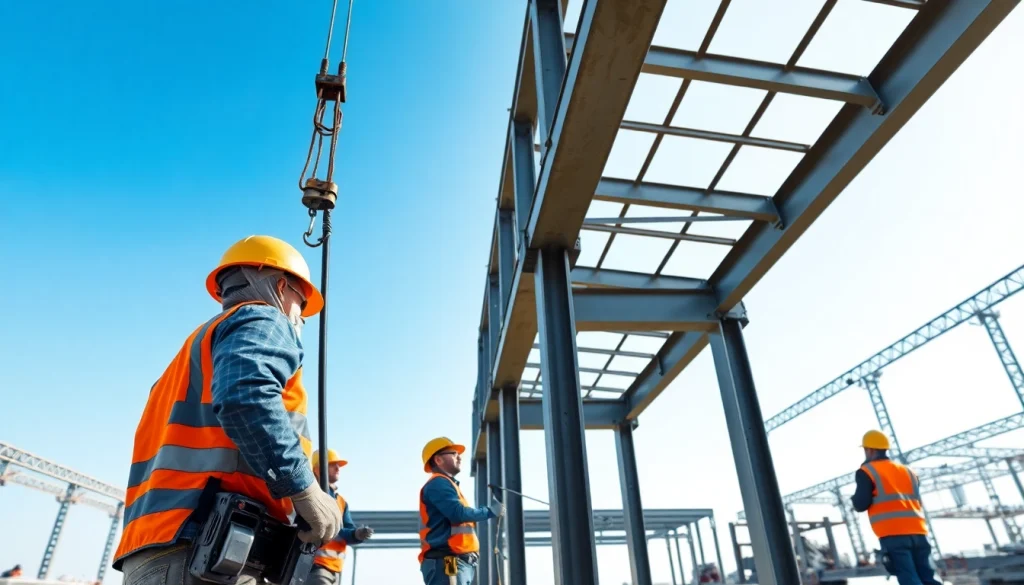
During the second stage, workers erect vertical columns using cranes. Beams are then secured between columns, creating a grid-like structure. This is one of the most crucial phases, as any mistakes in alignment can lead to significant structural issues down the line. Proper bolting or welding techniques ensure the structural integrity of the framework.
Finalizing Purlins and Bracing
The final step in installation involves adding purlins, which provide additional support for roofs or walls. Bracing components help resist lateral loads, improving stability. This phase ensures that the structure can withstand environmental stresses such as wind or seismic activity.
Best Practices for Structural Steel Installation
Techniques for Safe Handling
Safe handling techniques are critical during the installation of structural steel. Workers should always use appropriate lifting gear and ensure that all ancillary materials are evenly distributed to prevent tipping or accidents. Team communication is vital; signaling techniques should be standardized to avoid miscommunication during lifts.
Quality Control Measures During Installation
Quality control is essential throughout the installation process. Regular checks should be made to ensure all connections meet industry standards. This includes visual inspections as well as using measurement tools to confirm adherence to design specifications. Engaging third-party inspectors can enhance quality assurance efforts.
Post-Installation Inspection Procedures
After completion, a thorough inspection of the entire steel structure is necessary. This includes audits of welds, bolts, and overall alignment, along with a review of safety procedures implemented. Post-installation assessments ensure compliance with applicable codes and standards, and that the structure is ready for the next phase of construction.
Challenges in Structural Steel Installation and Solutions
Common Issues Faced During Installation
Despite meticulous planning and execution, several common challenges arise during structural steel installation:
- Unforeseen Site Conditions: Issues such as unstable soil or hidden infrastructure can disrupt progress.
- Weather Delays: Rain, snow, and strong winds can halt work, affecting timelines.
- Logistical Issues: Difficulty in transporting heavy steel components to the site can cause delays.
Mitigating Risks and Improving Efficiency
To mitigate risks and enhance efficiency, adopting technology such as project management software can streamline communication and scheduling. Engaging with subcontractors who specialize in niche areas also supports problem-solving. Utilizing pre-fabricated components can speed up timelines and minimize on-site assemblies.
Case Studies of Successful Installations
Several successful case studies underscore the effectiveness of rigorous planning and execution in structural steel installation. For example, a notable project involved the delivery and installation of steel for a large commercial building in Austin, Texas. By pre-fabricating components and employing advanced logistics, the project was completed ahead of schedule and under budget, showcasing the benefits of strategic planning and execution in the steel erection process.