1. Introduction to the Fire Tetrahedron
The fire tetrahedron is an essential concept for understanding fire dynamics and how to effectively manage and mitigate fire hazards. Unlike the more commonly known fire triangle, which consists of fuel, heat, and oxygen, the fire tetrahedron includes a fourth element: a chemical chain reaction. This element is critical in explaining how fires ignite, sustain, and can be extinguished. Each component interacts with the others, creating a complex environment where understanding these relationships is key to ensuring safety and making informed decisions in fire management. This understanding is crucial across various fields, from engineering to industrial safety. For further insights on practical applications of the fire tetrahedron, this guide will explore its significance, components, and real-world applications.
1.1 Definition and Importance of the Fire Tetrahedron
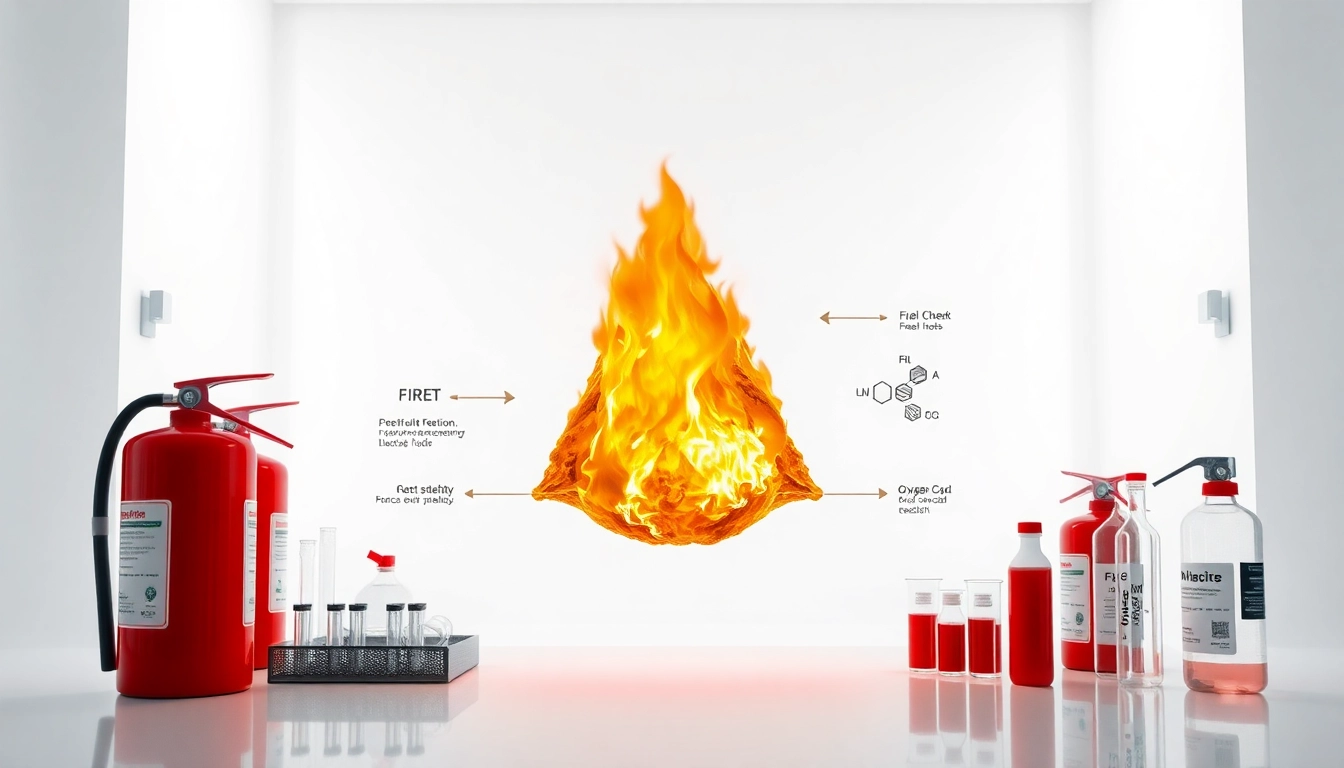
The fire tetrahedron consists of four essential elements: fuel, heat, oxygen, and a chemical chain reaction. This model expands upon the fire triangle by adding the chain reaction, which is crucial for understanding how fires continue to burn. Recognizing this fourth component has significant implications for both fire prevention and firefighting strategies. It emphasizes the need to interrupt the chemical reactions during a fire, which can be achieved through various methodologies.
The importance of the fire tetrahedron is twofold: it provides a comprehensive framework for understanding fire dynamics and serves as a guide for the development of effective fire safety protocols. Whether in residential settings or industrial applications, a clear comprehension of these components helps in formulating strategies that mitigate the risk of fire incidents.
1.2 Key Components Explained
Each element of the fire tetrahedron plays a pivotal role in the mechanics of combustion:
- Fuel: The material that burns in a fire, which can be in solid, liquid, or gas form. Common fuels include wood, paper, gasoline, and natural gas.
- Heat: The temperature required to ignite the fuel and sustain the fire, generated from various sources such as friction, electric sparks, or open flames.
- Oxygen: Generally sourced from the air, oxygen is necessary for combustion to occur. Most fires need a minimum concentration of 16% oxygen to sustain a flame.
- Chemical Chain Reaction: This is where the continuous generation of energy allows the fire to keep burning. Interrupting this chain reaction is crucial for extinguishing flames.
1.3 Historical Context and Development
The evolution of our understanding of fire has progressed over centuries. Historically, fires were explained through rudimentary observations of heat and smoke. The fire triangle became a widely accepted model in the 20th century, but gaps in the understanding of chemical reactions prompted researchers to develop the fire tetrahedron. This advancement allowed for a more nuanced understanding of fire behavior, leading to improved firefighting tactics and safety measures. Over the years, numerous case studies and scientific research have enriched our knowledge, driving innovations in fire prevention technologies and protocols.
2. The Four Elements of Fire
An in-depth understanding of each of the four elements of the fire tetrahedron significantly contributes to effective fire management tactics. Each component interacts with the others, creating scenarios that vary widely based on the context in which the fire occurs.
2.1 Fuel: Understanding Its Role in Combustion
Fuel is the foundational element in the fire tetrahedron and directly impacts the fire's intensity, duration, and behavior. Different materials will ignite and burn at varying rates based on their physical and chemical properties. For instance, fuels rich in hydrocarbons, such as gasoline, burn more rapidly compared to cellulose-based fuels like wood.
To assess fire hazards adequately, it is crucial to identify potential fuel sources in a setting. This includes not only direct fuels, like combustible materials, but also indirect fuels such as grease, dust, or chemicals that could facilitate combustion under certain conditions. Developing fire safety protocols necessitates thorough fuel assessments and management strategies to minimize fire risks effectively.
2.2 Heat: Sources and Transfer Mechanisms
Heat is the energy that raises the temperature of a fuel to its ignition point. Understanding the sources of heat and the mechanisms of heat transfer is vital for preventing fires. Heat can be generated through various means, including electrical faults, friction, spontaneous combustion, and open flames.
Heat transfer occurs through conduction, convection, and radiation. Knowing how heat propagates helps in identifying potential ignition points and aids in designing effective fire prevention systems. For example, systems that monitor and manage heat sources in industrial environments can reduce the likelihood of accidental ignitions.
2.3 Oxygen: The Lifeblood of Fire
Oxygen is a non-negotiable element for fire; it supports the combustion process. Typically, air contains around 21% oxygen; however, fires can sustain themselves with levels as low as 16%. Controlling the availability of oxygen might involve various strategies, such as reducing draft or using inert gases in confined spaces to suppress fires.
Understanding oxygen's role is paramount in both fire prevention and suppression tactics. Firefighting techniques often involve isolating the fire from its oxygen supply, which is achieved by smothering fires or using foam fire suppressants that displace air.
3. Fire Safety Applications of the Fire Tetrahedron
The application of the fire tetrahedron in fire safety is integral to formulating practical strategies for prevention and response. By recognizing the interconnectedness of fuel, heat, oxygen, and chemical reactions, professionals can devise comprehensive fire safety plans suitable for various environments.
3.1 Fire Prevention Strategies
Preventing fires requires a proactive approach that begins with a detailed understanding of the fire tetrahedron. Implementing strategies tailored to the unique needs of a setting is crucial. Common prevention strategies include:
- Regular Inspections: Conducting routine checks on electrical systems and flammable materials to identify potential hazards.
- Material Management: Storing fuels and other combustible materials in proper conditions and away from ignition sources.
- Fire Training Programs: Providing training for employees about fire hazards and safety protocols, empowering them to recognize and mitigate risk factors.
- Installation of Safety Equipment: Equipping facilities with fire detectors, alarms, and suppression systems that are tailored to the specific risks.
3.2 Firefighting Techniques Based on the Tetrahedron Model
The fire tetrahedron not only aids in understanding fire dynamics but also informs effective firefighting techniques. Key firefighting approaches include:
- Cooling: Reducing the temperature of the fire by applying water or other cooling agents to eliminate heat.
- Smothering: Removing oxygen by covering the fire with fire blankets, foam, or other materials that inhibit air flow.
- Starvation: Removing the fuel source from the fire's vicinity by using firebreaks or controlled burns.
Training in these techniques enhances the efficiency of firefighting efforts and serves to protect lives and property.
3.3 Case Studies on Fire Management
Analyzing historical case studies reveals the importance of understanding the fire tetrahedron in managing fire outbreaks effectively. For instance, the Great Fire of Chicago in 1871 can be examined through this lens. Initially fueled by wooden structures and dry conditions, the fire quickly escalated due to the presence of oxygen and open heat sources. In contrast, the development of modern fire protocols that preemptively address these components has led to more effective urban fire management systems.
Another example is the use of fire-retardant chemicals in wildland firefighting, which acts to suppress chemical reactions, thereby breaking the fire tetrahedron. These instances illustrate the importance of adopting a holistic approach to fire management informed by the principles of the fire tetrahedron.
4. Practical Implications for Industries
Understanding the fire tetrahedron is vital for industries where fire risks are prevalent. It allows for the establishment of effective safety measures that protect both human life and property while maintaining compliance with regulations.
4.1 Applications in Heavy Industry and Engineering
Heavy industry sectors often encounter high risks of fire due to combustible materials and machines that produce heat. The fire tetrahedron serves as a guideline for developing customized safety protocols. Industries such as oil and gas, chemicals, and manufacturing must implement stringent monitoring of fuel sources, heat sources, and combustion processes to mitigate fire hazards.
For instance, refining plants may employ strict regulations on the storage of hydrocarbons while incorporating advanced safety systems such as automated fire suppression that adhere to the fire tetrahedron principles.
4.2 Fire Protocols for Business Operations
Businesses of all sizes should prioritize fire safety by establishing robust fire protocols. This involves regular risk assessments to identify potential hazards aligned with the fire tetrahedron components. Furthermore, implementing an emergency response plan that integrates training for all employees can drastically improve preparedness.
Incorporating regular drills and updates to the emergency plan based on the latest insights into fire dynamics is essential. Providing resources and support ensures all employees know their roles in preventing and managing fire emergencies.
4.3 Future Innovations in Fire Safety Technology
As technology evolves, so do the opportunities for enhancing fire safety measures. Innovations such as smart fire detection systems can analyze environmental data to predict potential fire outbreaks by monitoring fuel types and environmental conditions, leading to proactive responses. Additionally, advancements in materials science have led to the development of fire-retardant materials that minimize the risks associated with fuel and heat interactions.
Integrating increasingly sophisticated technologies with the foundational principles of the fire tetrahedron promises a future where fire risks can be anticipated, mitigated, and managed more effectively than ever before.
5. Conclusion and Best Practices
In closing, comprehending the fire tetrahedron offers myriad insights for preventing and managing fires across various settings. The interplay between fuel, heat, oxygen, and chemical reactions creates a framework that is critical for anyone involved in fire safety.
5.1 Recap of the Fire Tetrahedron Concepts
The fire tetrahedron emphasizes the complexity of fire dynamics while serving as a practical model for effective fire management. Each component requires attention and control to reduce fire risks. Collectively, these elements inform standard practices and guidelines that are paramount for ensuring safety.
5.2 Common Mistakes to Avoid in Fire Safety
Businesses and individuals often make mistakes that compromise fire safety. Some common errors include neglecting regular maintenance of fire safety equipment, overlooking the proper storage of potential fuels, or underestimating the risk posed by ignition sources. Awareness and education are essential for overcoming these pitfalls.
5.3 Resources for Further Learning
Continued education and resource availability are vital for deepening understanding of fire dynamics. Various organizations offer training, workshops, and literature focused on fire safety principles and practices, including the International Fire Service Training Association (IFSTA) and National Fire Protection Association (NFPA). Engaging with these resources can enhance knowledge and contribute to a safer environment both personally and professionally.