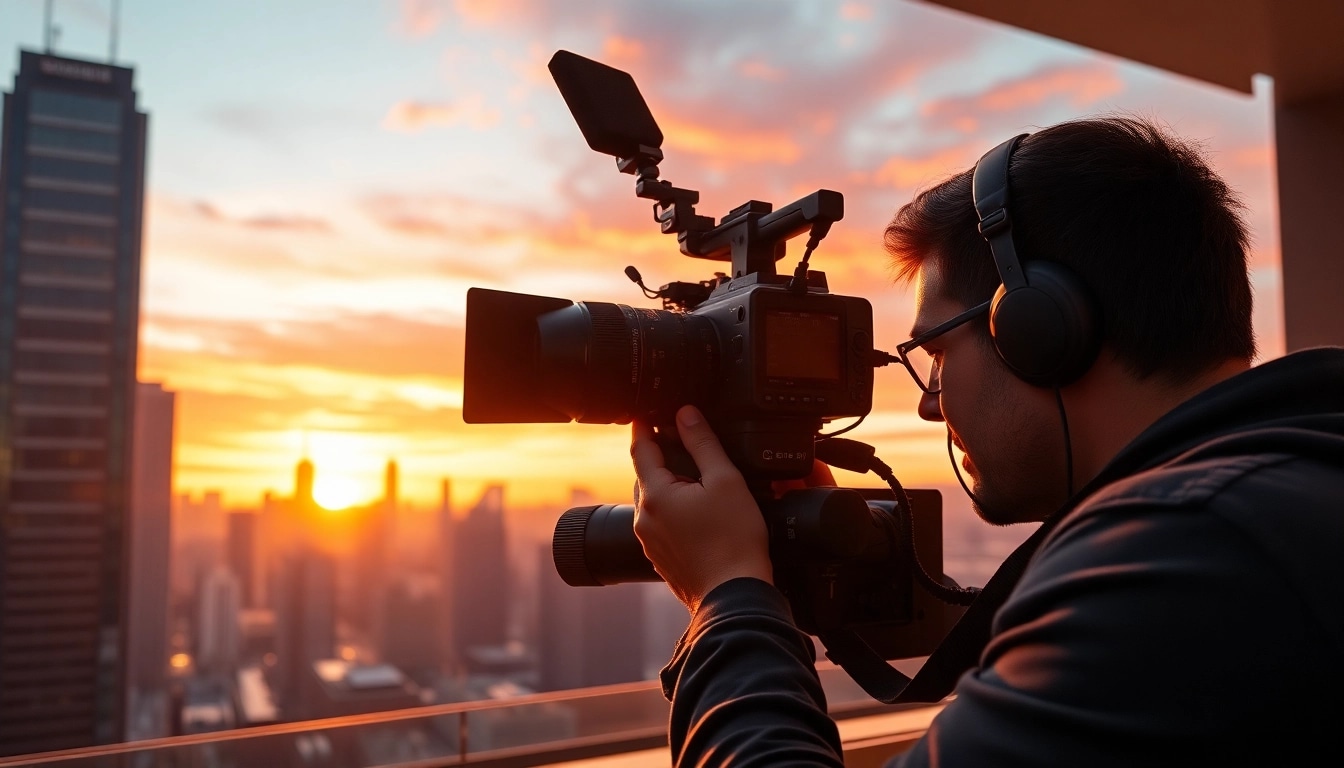
Choosing the Right Videographer for Your Project
In today's digital landscape, compelling visual storytelling is essential for businesses, events, and personal projects alike. The right Videographer can elevate your content, bringing your vision to life through expertly crafted videos. However, selecting the ideal videographer for your needs requires careful consideration of a range of factors, from their skills to your specific goals. This comprehensive guide aims to illuminate the key aspects to assess when choosing a videographer for your project.
Assessing Skills and Experience
When choosing a videographer, the first step is to evaluate their skills and experience. Look for a portfolio that showcases a range of projects—this will provide insight into their versatility and craftsmanship. Here are several factors to consider:
- Portfolio Quality: Examine the quality of their previous work. Are the visuals crisp and engaging? Does the storytelling resonate with you? A strong portfolio not only displays technical skills but can also showcase their unique style.
- Technical Proficiency: Check if the videographer is familiar with the equipment that will best suit your project. Understanding the use of cameras, lighting, and editing software can make a significant difference in the final product.
- Experience with Similar Projects: Find out if they have experience in projects similar to yours. For instance, if you're planning a wedding, a videographer who specializes in wedding films will have the best understanding of what moments to capture and how to present them artfully.
Understanding Different Styles of Videography
Every videographer has a unique style that may or may not align with your vision. Understanding these different styles will help you communicate effectively with potential hires. Some common styles include:
- Documentary Style: This style focuses on capturing events as they happen, often involving minimal intervention. It’s great for storytelling and authenticity.
- Cinematic: Heavily edited with a focus on aesthetics, this style often resembles a movie. It emphasizes dramatic storytelling and mood setting.
- Corporate: Tailored for businesses, corporate videos often highlight brand messaging while remaining professional and polished.
- Event Videography: This encompasses capturing live events like weddings, parties, or concerts. Understanding how to navigate such environments is crucial.
Communicating your preferred style during consultations will help ensure that your videographer aligns with your vision.
Budgeting for a Professional Videographer
Cost is often a crucial factor when selecting a videographer. While you don't necessarily want to compromise on quality for budget considerations, there are effective strategies to ensure you get the best value:
- Set a Clear Budget: Determine how much you’re willing to spend and communicate this clearly. This helps the videographer tailor their offerings to fit your needs.
- Understand Pricing Structures: Videographers may charge by the hour, project, or offer packages. Inquire about what is included—like editing time, number of revisions, and additional services.
- Negotiate Wisely: Don't hesitate to discuss your budget with potential hires. Many are willing to accommodate varying budgets or offer custom packages to meet specific needs.
Understanding the Role of a Videographer
Understanding what a videographer does is essential not just in choosing one but also in collaborating effectively. Their role encompasses much more than simply pressing record. Here are the core responsibilities:
Key Responsibilities of a Videographer
A videographer is responsible for all aspects of video production, including:
- Pre-Production Planning: This involves determining the project scope, planning shoots, and finalizing logistics.
- Filming: The actual production phase where the videographer captures footage according to the predefined plan.
- Post-Production: This stage involves editing the footage, adding effects, and ensuring quality control. Effective post-production can transform raw footage into a polished final product.
- Client Consultation: Engaging with clients to understand their vision, share ideas, and provide updates throughout the process.
Collaborating with Other Production Roles
Often, videographers work alongside other professionals in the film or event-making process, including:
- Directors: When involved, directors focus on the artistic elements of the production, while videographers are responsible for capturing the required shots.
- Edit Professionals: Some projects may require specialized editors or animators who work alongside videographers to enhance the final product.
- Sound Engineers: Sound quality is vital, and collaboration with sound professionals ensures a cohesive audiovisual experience.
Understanding how to work in a team environment is critical for successful outcomes.
Tools of the Trade: Essential Equipment
The tools a videographer uses can significantly affect the quality of the final product. Essential equipment typically includes:
- Cameras: The core of any videographer's toolkit. From DSLRs to professional cinema cameras, the choice depends on the project's needs.
- Microphones: Good audio is crucial, so professional-grade microphones are typically a must.
- Lighting Equipment: Proper lighting can dramatically enhance the look of video footage, allowing for more creative control and better quality.
- Editing Software: Post-production is where the magic happens. Robust video editing software is essential for creating the final product.
Best Practices for Working with a Videographer
Once you've chosen the right videographer, establishing a good working relationship will ensure that the project meets your expectations. Here are some best practices:
Establishing Clear Communication
Effective communication can make or break a project. Here are some practical tips:
- Set Expectations Early: Be upfront about what you hope to achieve, the timeline, and your vision.
- Regular Updates: Check in periodically to get updates and maintain the flow of information.
- Be Open to Suggestions: A good videographer may offer invaluable insights that improve your project. Consider their professional recommendations.
Designing a Creative Brief
A creative brief serves as a roadmap for your project. It should include:
- Project Overview: A summary of the goals and objectives.
- Target Audience: Understanding who you’re creating the video for can influence both tone and style.
- Content Outline: A basic structure of what the video should include, which helps align the video strategist’s vision with yours.
Providing Effective Feedback
Feedback is essential for fine-tuning the final product. Follow these tips to ensure your feedback is constructive:
- Be Specific: Give clear examples of what you liked or didn't like. This helps the videographer make adjustments effectively.
- Focus on the Vision: Ensure your feedback aligns with your initial goals for the project.
- Establish a Feedback Timeline: Set checkpoints to review progress and give feedback at different stages of production.
Using Videography to Enhance Marketing Strategies
Video content is a powerful tool in any marketing strategy, capable of capturing attention and engaging audiences like no other medium. Here's how to effectively use videography to bolster your marketing efforts:
Engaging Your Audience Through Video Content
Video content can significantly increase engagement rates across various platforms. Consider these strategies:
- Storytelling: Find a relatable narrative that connects with your audience on a personal level. Authenticity is key.
- Visual Appeal: Ensure that your video is well-shot and edited, as high-quality visuals reflect professionalism.
- Calls to Action: Integrate clear calls to action in your videos, guiding viewers on what to do next, whether it's visiting a website, subscribing, or following.
Optimizing Video for Social Media Platforms
Different social media platforms have unique requirements and best practices. Consider the following:
- Format and Length: Each platform has preferred formats and ideal video lengths. For example, Instagram and TikTok favor shorter, more engaging clips, while YouTube allows for longer content.
- Captions: Many users view videos without sound. Subtitling your videos can improve accessibility and engagement.
- Thumbnails and Titles: Compelling thumbnails and titles entice viewers to click on your videos.
Analyzing Performance Metrics of Video Marketing
Once your video is live, it’s essential to analyze its performance to understand its impact and refine future strategies:
- View Count: Track how many people are viewing your videos to gauge initial interest.
- Engagement Metrics: Analyze likes, shares, comments, and watch time to assess how well the video resonates with your audience.
- Conversion Rates: Measure the effectiveness of your calls to action by tracking conversions that come as a direct result of the video.
Investing in High-Quality Videography for Lasting Impact
Investing in professional videography may seem daunting, but it holds the potential for significant long-term benefits. Here’s why high-quality videography is worth the investment:
Long-Term Benefits of Professional Videography
High-quality videos can serve multiple purposes, and their effectiveness grows over time. Here’s what to consider:
- Versatility: Professional videos can be reused and repurposed across various channels, maximizing your return on investment.
- Brand Recall: Engaging video content can enhance brand recall, solidifying your company's image in consumers' minds.
- Higher Engagement: Quality content tends to attract more views and engagement, which ultimately supports marketing goals.
Innovative Trends in Videography
The world of videography is constantly evolving. Keeping abreast of new trends can help your projects remain fresh and engaging. Some worth exploring include:
- 360-Degree Video: This immersive technology is becoming increasingly popular for virtual experiences such as tours and events.
- Live Streaming: Broadcasting events in real-time helps engage audiences instantly and creates a sense of urgency.
- Augmented and Virtual Reality: These technologies provide immersive and interactive experiences, pushing the boundaries of traditional videography.
Building Relationships with Videographers for Future Projects
Finally, building lasting rapport with a videographer can benefit future collaborations. Here are some tips:
- Open Lines of Communication: Regular communication enhances trust and ensures projects run smoothly.
- Provide Thorough Feedback: Constructive feedback helps your videographer improve and align with your expectations in future projects.
- Consider Long-Term Contracts: If your organization frequently utilizes videography, establishing a long-term relationship could result in both financial and creative advantages.
In conclusion, the importance of selecting the right Videographer cannot be understated. By assessing skills, understanding styles, budgeting effectively, and fostering strong collaboration, you can ensure your project's success while leveraging the immense power of video to enrich your storytelling and marketing efforts.