Understanding Different Types of Flooring
When it comes to enhancing your living space, few elements have such a significant impact as flooring. Understanding the various types of flooring available is crucial for homeowners looking to make informed decisions. Let's delve into the three most common types of flooring: hardwood, laminate, and vinyl.
a. Hardwood Flooring
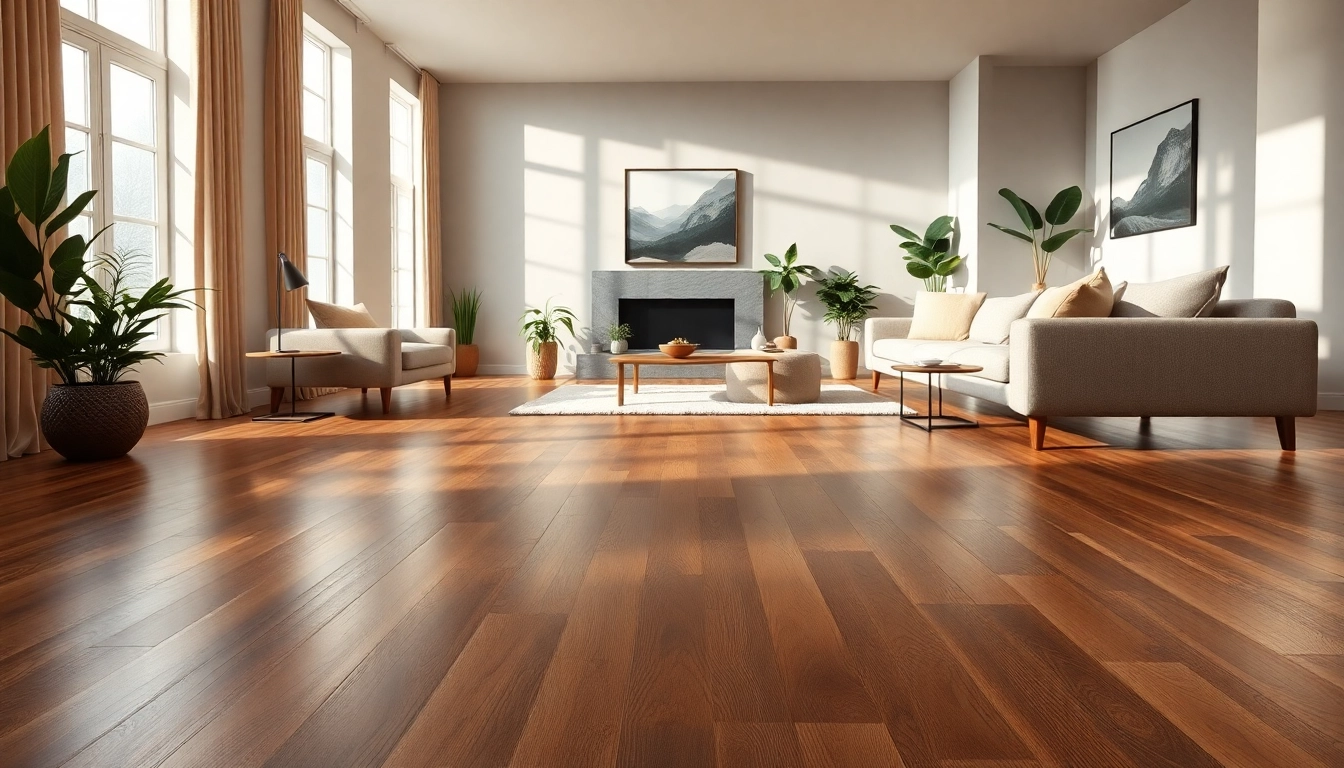
Hardwood flooring is often associated with sophistication and timeless elegance. Crafted from natural wood, hardwood floors come in a variety of species, colors, and finishes, providing ample choices to suit any aesthetic. It's renowned for its durability and can last a lifetime when properly maintained. Furthermore, hardwood floors can be refinished multiple times, restoring their original beauty and eliminating scratches or wear.
However, it's important to note that hardwood flooring requires periodic upkeep, such as refinishing and re-staining, to maintain its allure. Its susceptibility to moisture and humidity can also be a concern, making it less suitable for areas prone to spills or high humidity.
b. Laminate Flooring
Laminate flooring has gained immense popularity as a cost-effective alternative to hardwood. Composed of multiple layers, it features a photographic layer that mimics the appearance of wood, stone, or other materials. One of its advantages is its resistance to scratches, fading, and moisture, making it an ideal choice for busy households and high-traffic areas.
Despite its many benefits, laminate flooring cannot withstand humidity as effectively as vinyl flooring. Additionally, unlike hardwood, laminate flooring cannot be refinished. Thus, it is crucial to choose a high-quality laminate that can endure wear and tear over time.
c. Vinyl Flooring
Vinyl flooring has emerged as a versatile and resilient option for homeowners. It comes in two primary forms: sheet vinyl and luxury vinyl planks (LVP). Vinyl is water-resistant, making it suitable for kitchens, bathrooms, and basements. Its ability to mimic the appearance of natural materials at a lower cost makes it a popular choice among budget-conscious consumers.
One of vinyl flooring's main selling points is its ease of maintenance. A simple sweep and mop often suffice to keep it looking great. However, like laminate, vinyl cannot be refinished, so choosing a durable product is essential. Additionally, prolonged exposure to direct sunlight can cause vinyl to fade over time.
Choosing the Right Flooring for Your Space
With a clearer understanding of the different types of flooring available, it's essential to evaluate which option best fits your specific needs. Factors such as the room's functionality, personal aesthetic preferences, and maintenance requirements should guide your decision-making process.
a. Assessing Room Functionality
Each room in your home serves a different purpose, influencing the type of flooring you should choose. For instance, kitchens and bathrooms require water-resistant materials like vinyl or tile, while bedrooms or living rooms might benefit more from the warmth and comfort of carpet or hardwood. Assessing the traffic flow and potential wear and tear can help you narrow down your options.
b. Considering Aesthetic Preferences
Your personal taste plays a significant role in selecting flooring. Whether you prefer a modern chic vibe or a classic rustic feel, the flooring you choose should complement the overall design of your space. Consider the color palette, patterns, and textures that resonate with your style. Visiting showrooms or browsing online can provide inspiration for the ideal flooring choice.
c. Evaluating Maintenance Needs
Maintenance is a key consideration when choosing flooring. Hardwood may offer elegance but requires regular upkeep. In contrast, laminate and vinyl provide low-maintenance options ideal for busy families or individuals. Understand your lifestyle and how much time or effort you are willing to dedicate to maintaining your flooring to ensure longevity and visual appeal.
Installation Considerations for Flooring
Once you have chosen the right flooring type, the next step is installation. This could either be a do-it-yourself (DIY) project or hiring a professional. Understanding the considerations for installation can save time, costs, and potential headaches.
a. DIY vs Professional Installation
Deciding between DIY and professional installation often hinges on your skill level, time availability, and budget constraints. DIY installation is appealing for those eager to save costs and willing to learn, particularly with laminate and vinyl flooring, often marketed as easy to install. However, professional installation ensures precision, especially with intricate patterns or difficult layouts.
b. Preparation and Tools Needed
Preparation is crucial for a successful flooring installation. If going for a DIY route, ensure you have the necessary tools: a utility knife, measuring tape, level, and safety equipment. Additionally, preparing the subfloor is vital—cleaning, leveling, and ensuring dryness will prevent future issues.
c. Common Mistakes to Avoid
When installing flooring, several common mistakes can lead to unfavorable results. Failing to acclimate wood flooring to the room’s temperature can result in expansion and contraction issues. Not budgeting enough time for installation can lead to rushed work, compromising quality. Lastly, improper measurement can lead to wasted materials or less-than-perfect fits.
Flooring Trends to Watch in 2024
The flooring industry is continually evolving, with new trends emerging regularly. Being aware of these trends can inform your flooring choices and keep your home stylish and modern.
a. Eco-Friendly Options
Sustainability is becoming increasingly important in the flooring market. Eco-friendly options such as bamboo, cork, and reclaimed wood are gaining traction among environmentally conscious consumers. These materials not only reduce environmental impact but also offer unique aesthetics and durability.
b. Bold Colors and Patterns
In recent years, homeowners have embraced bold colors and patterns to express personal style. From vibrant tiles to patterned carpets, unusual designs can make a statement in any room. These eclectic choices are paving the way for limitless creativity in residential spaces.
c. Multi-Functional Flooring
The demand for multi-functional flooring options is on the rise, particularly in smaller homes or apartments where space is limited. Flooring that integrates soundproofing, insulation, and comfort into its design is becoming highly sought after. Combining form with functionality, these products meet the modern homeowner's needs.
Frequently Asked Questions About Flooring
a. What is the most durable flooring option?
Hardwood is highly durable but can be prone to scratches. Laminate and vinyl offer excellent durability against wear and moisture, making them ideal for high-traffic areas.
b. How do I maintain my flooring?
Maintenance varies by flooring type. Hardwood requires periodic refinishing, while laminate and vinyl need regular sweeping and mopping. Always refer to manufacturer guidelines for the best results.
c. Are there waterproof flooring options available?
Yes, both vinyl and certain types of laminate flooring are waterproof and suitable for moisture-prone areas like bathrooms and kitchens.
d. How can I prevent scratches on my flooring?
Using furniture pads, regularly cleaning dirt and grit, and maintaining humidity levels can help prevent scratches and improve longevity.
e. Can I install flooring over existing floors?
In many cases, you can install new flooring over existing floors, but it's essential to ensure the underlying floor is in good condition and level for optimal results.