Precision Engineering with Chiheng Custom CNC Machining

Understanding Chiheng Custom CNC Machining
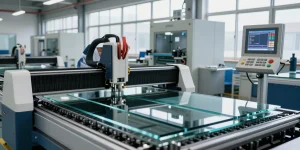
CNC (Computer Numerical Control) machining has revolutionized how we fabricate parts, providing accuracy, efficiency, and versatility across various industries. At the forefront of this revolution is Chiheng Custom CNC Machining, known for its high precision machining services that cater to both metal and plastic parts. This article delves into what CNC machining is, its applications, and how Chiheng Custom CNC Machining stands out in the industry.
What is CNC Machining?
CNC machining involves the use of computer-controlled machines to shape materials into desired forms. It replaces traditional manual machining, offering improved precision and repeatability. By employing CAD (Computer-Aided Design) software, designers can create complex part geometries, which CNC machines then reproduce with extraordinary accuracy. The precision levels can reach up to ±0.005mm, making CNC machining ideal for applications requiring exact specifications.
Applications of CNC Machining
The versatility of CNC machining allows it to be utilized in a broad range of applications. Key industries include:
- Aerospace: Parts must undergo rigorous testing for safety and performance, making high precision machining vital.
- Automotive: Custom components are manufactured for various vehicle systems, including engines and transmissions.
- Electronics: Production of components like circuit boards and enclosures requires intricate and precise machining.
- Medical Devices: Manufacturing parts for surgical instruments and implants requires extreme precision and reliability.
- Consumer Products: Custom parts for appliances, electronics, and furniture often demand unique specifications.
Key Benefits of Chiheng Custom CNC Machining
The Chiheng Custom CNC Machining service offers several advantages including:
- High Precision: Achieving tolerances as tight as ±0.005mm ensures parts fit perfectly within assembly requirements.
- Flexibility: Ability to work with various materials, including metals and plastics, tailored to customer specifications.
- Scalability: Suitable for both prototyping and large production runs, accommodating diverse manufacturing needs.
- Efficiency: Automated processes significantly reduce lead times, allowing for faster turnaround on projects.
- Cost-Effectiveness: Lower production costs in comparison with traditional machining methods, especially for bulk orders.
Types of Machining Services Offered
Precision Machining Techniques
Chiheng Custom CNC Machining employs several precision machining techniques such as:
- Milling: Utilizes rotary cutters to remove material, perfect for producing complex geometries.
- Turning: Involves rotating the material against a cutting tool, allowing for the efficient shaping of cylindrical parts.
- EDM (Electrical Discharge Machining): Ideal for intricate designs, especially in hard metals, where traditional methods are ineffective.
- Laser Cutting: Provides high accuracy in cutting materials like metal, steel, and plastic sheets.
Custom Metal vs. Plastic Parts
Chiheng Custom CNC Machining excels in fabricating both metal and plastic components, with distinct advantages for each material:
Metal Parts
Metal parts, like those made from aluminum and stainless steel, offer strength, durability, and thermal stability. They are often used in high-stress applications like aerospace and automotive components.
Plastic Parts
Plastic components, often lighter and more cost-effective, provide flexibility in designs and applications. Ideal for consumer goods and prototyping, plastics can offer varied mechanical properties tailored to specific needs.
Prototyping Capabilities
Rapid prototyping is one of the key strengths of Chiheng Custom CNC Machining. This approach allows clients to receive a physical model of their designs quickly, enabling faster iterations and refinements. Prototyping services encompass:
- 3D Printing: This technology allows for quick, inexpensive creation of initial design iterations in various materials.
- Short Run Production: Facilitating limited batch productions helps assess market reaction before committing to large-scale production.
- Design Collaboration: Engaging with clients during the prototyping phase improves the final outcome by integrating feedback into the design process.
Quality Assurance in CNC Machining
Standards and Certifications
Quality assurance is paramount in CNC machining to meet industry standards. Chiheng Custom CNC Machining is ISO certified, ensuring adherence to rigorous quality management principles. This certification guarantees consistent product quality, safety, and efficiency, giving clients confidence in the reliability of the manufactured parts.
Precision Tolerances Explained
Precision tolerance refers to the allowable deviation from specified dimensions. Understanding tolerances is crucial in ensuring the compatibility and functionality of parts. Chiheng can offer tolerances of ±0.005mm, making it suitable for industries where precision is non-negotiable. Factors that affect tolerances include:
- Material Properties: Different materials respond uniquely during machining processes.
- Machine Settings: Fine-tuning settings for speed, feed rates, and tooling can vastly affect precision.
- Operator Skill: Experienced operators can anticipate variations and adjust processes accordingly.
Testing and Inspection Processes
Comprehensive testing and inspection processes are integral to ensuring the quality of machined parts. Chiheng employs various quality control methods including:
- Dimensional Inspection: Verifying that parts meet specified dimensional tolerances.
- Functional Testing: Assessing whether parts perform their intended function reliably.
- Material Inspection: Conducting tests like tensile and hardness tests to confirm material properties.
Cost Considerations in Custom CNC Machining
Factors Affecting Pricing
Several factors contribute to the overall cost of CNC machined parts:
- Material Type: Different materials have varying costs, affecting the total expense.
- Complexity of Design: More intricate designs require advanced machining techniques, leading to increased costs.
- Production Volume: Lower quantities often incur higher unit costs compared to bulk orders.
- Lead Times: Expedited services typically come at a premium price.
Cost Comparison: CNC Machining vs. Traditional Methods
Comparing CNC machining to traditional methods highlights significant savings and benefits. Traditional machining is often more labor-intensive and subject to human error, leading to increased labor costs and longer lead times. In contrast, CNC machining automates processes, reducing the possibility of errors and lowering production costs, especially critical for high-volume runs.
How to Get Accurate Quotes
Getting an accurate quote is crucial in project budgeting. To achieve this, clients should:
- Provide Detailed Drawings: Submitting precise and comprehensive design files ensures the quote includes all aspects of the project.
- Specify Tolerances: Clearly stating tolerance levels helps the service provider determine necessary machining processes.
- Discuss Material Options: Engaging in discussions regarding material properties can influence pricing and feasibility.
FAQs about Chiheng Custom CNC Machining
How long does the CNC machining process take?
The CNC machining process duration varies based on complexity and batch size, typically ranging from a few days to weeks for larger production runs.
What materials can be used for CNC machining?
CNC machining supports a wide array of materials, such as aluminum, steel, brass, plastics, and composites, tailored to specific application needs.
Can you handle both small and large production runs?
Yes, Chiheng Custom CNC Machining is equipped to handle both small prototype runs and large-scale production, ensuring flexibility in manufacturing.
What are the lead times for custom orders?
Lead times depend on factors like complexity and production volume but generally range from a few days to several weeks, depending on client needs.
How do you ensure quality in machining?
Quality assurance is maintained through rigorous testing, adherence to ISO standards, and best practices in machining processes to ensure consistent output.